Jonathon Thomason

Jonathon Thomason — Principal Product Designer — Agentic AI & Enterprise Systems

I design AI-native systems — where agents, workflows, and people actually work together. Agentic AI · Automation · BizOps · E-commerce Built for accessibility, clarity, and measurable business outcomes.

I'm a principal-level IC with 15+ years designing enterprise systems where complexity is the constraint and clarity is the deliverable. I work end-to-end — framing problems, mapping workflows, and shipping interfaces that hold up under real organizational pressure.

I specialize in agentic AI product design: orchestrating multi-agent workflows, designing human-in-the-loop controls, and making autonomous systems legible to the people who depend on them. I've built working prototypes — not just mockups — to prove the concept before a single sprint is planned.

My work spans e-commerce, HR automation, healthcare, and AI-powered developer tooling. I've led strategy, research, and design delivery across high-impact initiatives — presenting to C-suite, owning sprint priorities, and shipping across global organizations.

Accessibility is a delivery constraint, not an afterthought. WCAG-aware patterns, keyboard-first interaction, and readable hierarchy are built in from the start — because inclusive design and good design are the same thing.


JT7 — Agentic Workflow Product Accelerator
Multi-Agent Architecture Agentic UX Design Systems React / TypeScript Python Runtime

Built an agentic AI product platform to accelerate design, prototyping, and build of multi-agent workflow systems, design systems and enterprise products. It handles agent flow architecture, design system generation, and full product delivery.

View architecture on GitHub
jonathonthomason / jt7 / README.md

JT7

JT7 is an operator-first product platform and agentic architecture accelerator.

It is designed to help build product surfaces and agentic workflows that compress decisions, preserve trust, and keep a human operator in control.

Its first complete end-to-end product flow is JT7 Jobs: a focused job-search command system built around Today’s Plan, next-best actions, recruiter visibility, follow-up timing, and evidence-backed execution.

What JT7 Is

JT7 is not just a single app, bot, or workflow.

JT7 is a layered product platform that combines:

  • operator-facing product surfaces
  • reusable workflow logic
  • bounded agentic orchestration
  • durable memory and decision context
  • trust-aware runtime and persistence patterns

The goal is not generic autonomy.
The goal is to accelerate the creation of practical, high-trust agentic products.

Product Positioning

JT7 should be understood in two connected ways:

1. A product platform

JT7 provides the architecture, logic, state model, runtime seams, and product patterns needed to build focused operator-first products.

2. An agentic architecture accelerator

JT7 is meant to make it faster to design and ship product experiences where:

  • agents assist with workflow execution
  • humans retain review and control
  • evidence and trust boundaries stay visible
  • orchestration serves a real surface, not abstract automation theater

JT7 Jobs: The First End-to-End Flow

JT7 Jobs is the first full product flow built on JT7.

It is the current proof point for the platform because it connects:

  • real signals
  • workflow logic
  • trusted state
  • operator actions
  • a product surface
  • persistence and audit trails

JT7 Jobs is the first wedge, not the limit of JT7.
It proves the architecture through one concrete painkiller workflow before broader extraction.

Extensibility as a Core Pillar

Extensibility is a foundational part of JT7’s purpose and architecture.

That does not mean premature platformization.
It means JT7 should be built so validated patterns can be reused across future surfaces and workflows.

JT7 is intended to support expansion across:

  • new operator-facing product surfaces
  • new workflow domains
  • new bounded agents and handoff roles
  • new orchestration modules
  • new runtime adapters and persistence paths

The rule is: prove value in a real flow first, then extract the reusable layer cleanly.

Strategic Hierarchy

JT7 evolves in three layers:

1. Painkiller product first

Ship JT7 Jobs as a daily-useful workflow product.

2. IP / framework extraction second

Extract reusable logic and patterns from proven usage.

3. Platform infrastructure third

Generalize infrastructure only after repeated validated patterns emerge.

Product Layers

JT7 currently spans several product layers.

1. Strategy and control layer

Defines mission, roadmap, decisions, current state, and product doctrine.

Key areas:

  • MISSION.md
  • CURRENT.md
  • MEMORY.md
  • DECISIONS.md
  • ROADMAP.md
  • DESIGN.md
  • skills/
  • agents/
  • products/
  • docs/strategy/
  • docs/tickets/

2. Architecture layer

Defines the composable system model: artifacts, modules, skills, agents, and contracts.

This is where JT7’s extensibility lives structurally.
It separates:

  • artifacts as durable truth/context
  • modules as reusable capabilities
  • skills as execution guardrails
  • agents as operating roles

Key areas:

  • modules/
  • skills/
  • agents/
  • architecture and contract docs under docs/

3. Runtime and orchestration layer

Runs ingestion, synchronization, scheduled passes, workflow execution, and bounded agentic logic.

Key areas:

  • job-search-ui/scripts/
  • job-search-ui/runtime/

4. Truth and persistence layer

Preserves trust across live state, local mirrors, history, and external access.
Current trust model:

  • Google Sheets = canonical live operational truth
  • JSON / CSV mirrors = local runtime reflections and evidence
  • git / GitHub = versioned history
  • Google Drive = mirrored artifact access
  • markdown = product, architecture, memory, and audit context

5. Product surface layer

Presents operator-facing applications where workflow value becomes usable.

Current surfaces include:

  • job-search-ui/ for JT7 Jobs
  • additional product surfaces such as mqi-demo/ for adjacent explorations

6. End-to-end workflow layer

Connects the layers above into a real product loop.

JT7 Jobs is the current example of this layer in action:

signal -> workflow logic -> trusted state -> operator action -> product surface -> persistence

Current Execution Focus

The active execution focus is still Layer 1 — JT7 Jobs.
Near-term priorities:

  • keep JT7 Jobs centered on daily operator usefulness
  • package the onboarding slice cleanly
  • preserve the existing trust and runtime baseline
  • avoid broad refactors that do not improve the product loop
  • keep extensibility additive and grounded in validated patterns

Core Product Principles

Everything in JT7 should reinforce:

  • decision compression
  • operator clarity
  • workflow visibility
  • evidence-backed state
  • human-in-the-loop control
  • additive extensibility
  • high-trust agentic behavior

Important Paths

  • Root project: /jt7/.openclaw/workspace
  • JT7 Jobs app: /jt7/.openclaw/workspace/job-search-ui
  • Strategic roadmap: /jt7/.openclaw/workspace/ROADMAP.md
  • Product thesis: /jt7/.openclaw/workspace/product/thesis.md
  • Strategic context: /jt7/.openclaw/workspace/product/JT7_Strategic_Operating_Context.md
  • Runtime task state: /jt7/.openclaw/workspace/job-search-ui/runtime/jt7_tasks.json
  • Runtime schedule state: /jt7/.openclaw/workspace/job-search-ui/runtime/jt7_scheduler.json
  • Runtime chain runner: /jt7/.openclaw/workspace/job-search-ui/scripts/run_jt7_chain.py

Guardrails

Do not:

  • mistake extensibility for permission to generalize too early
  • broadly refactor working systems without clear product value
  • build generic infrastructure before a workflow proves the need
  • let agentic complexity outrun operator usefulness
  • hide trust boundaries behind automation language

Do:

  • keep JT7 Jobs as the proving ground
  • extract reusable layers only from validated patterns
  • preserve additive seams where possible
  • tie orchestration to a real product surface
  • keep human review, evidence, and state trust visible

IBM - Senior UX/Product Design (IC) MultiAgentApps
IBM Carbon Design System Agentic AI Developer Workflows

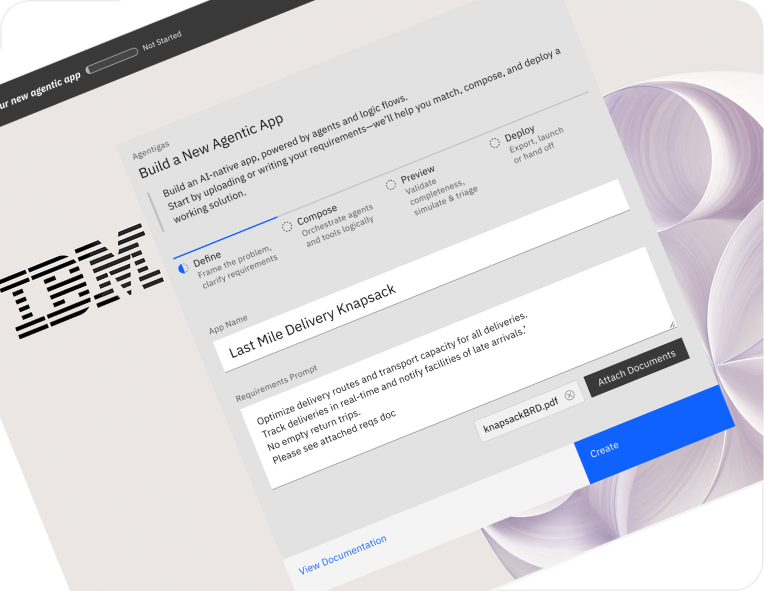
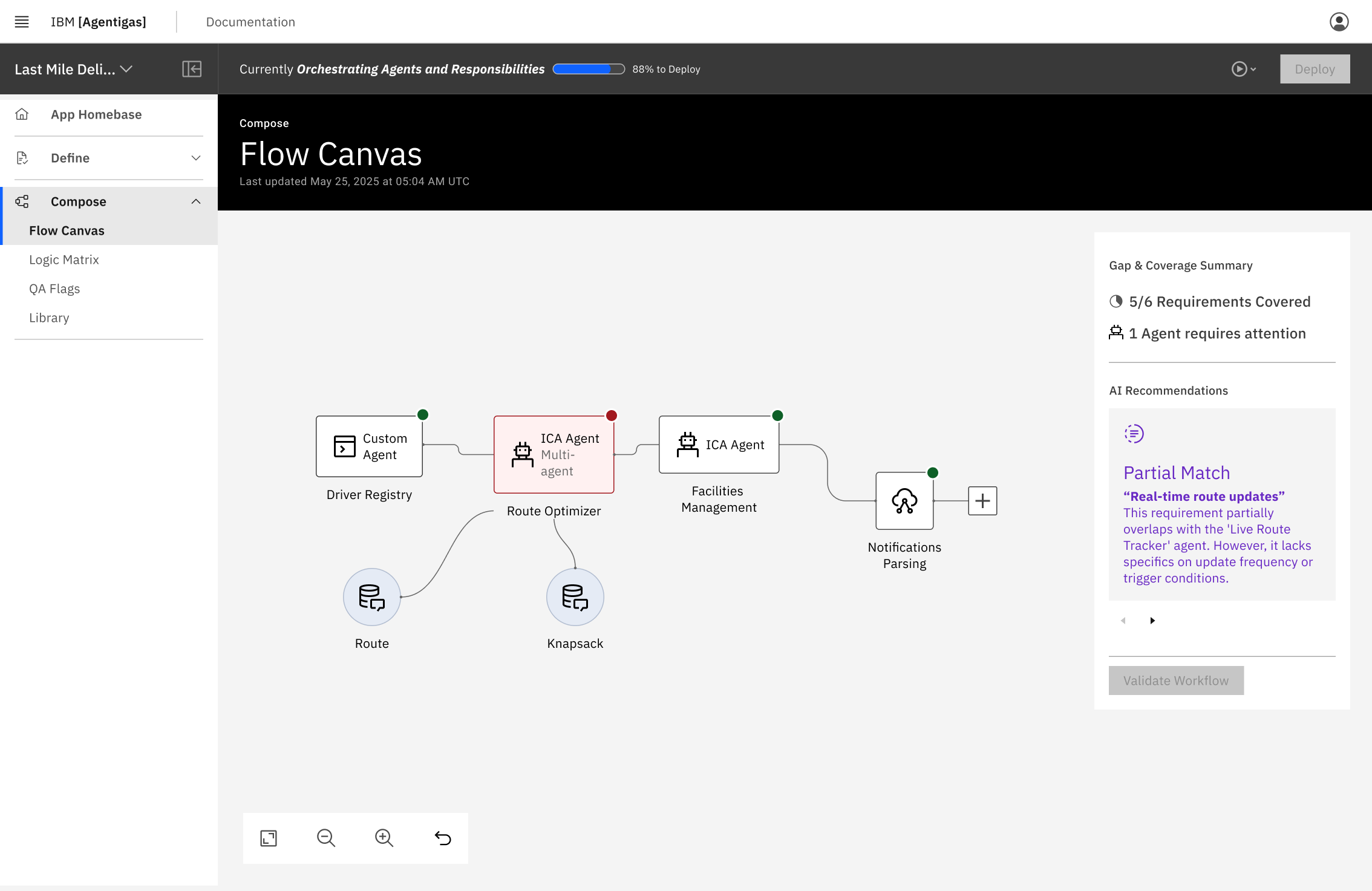
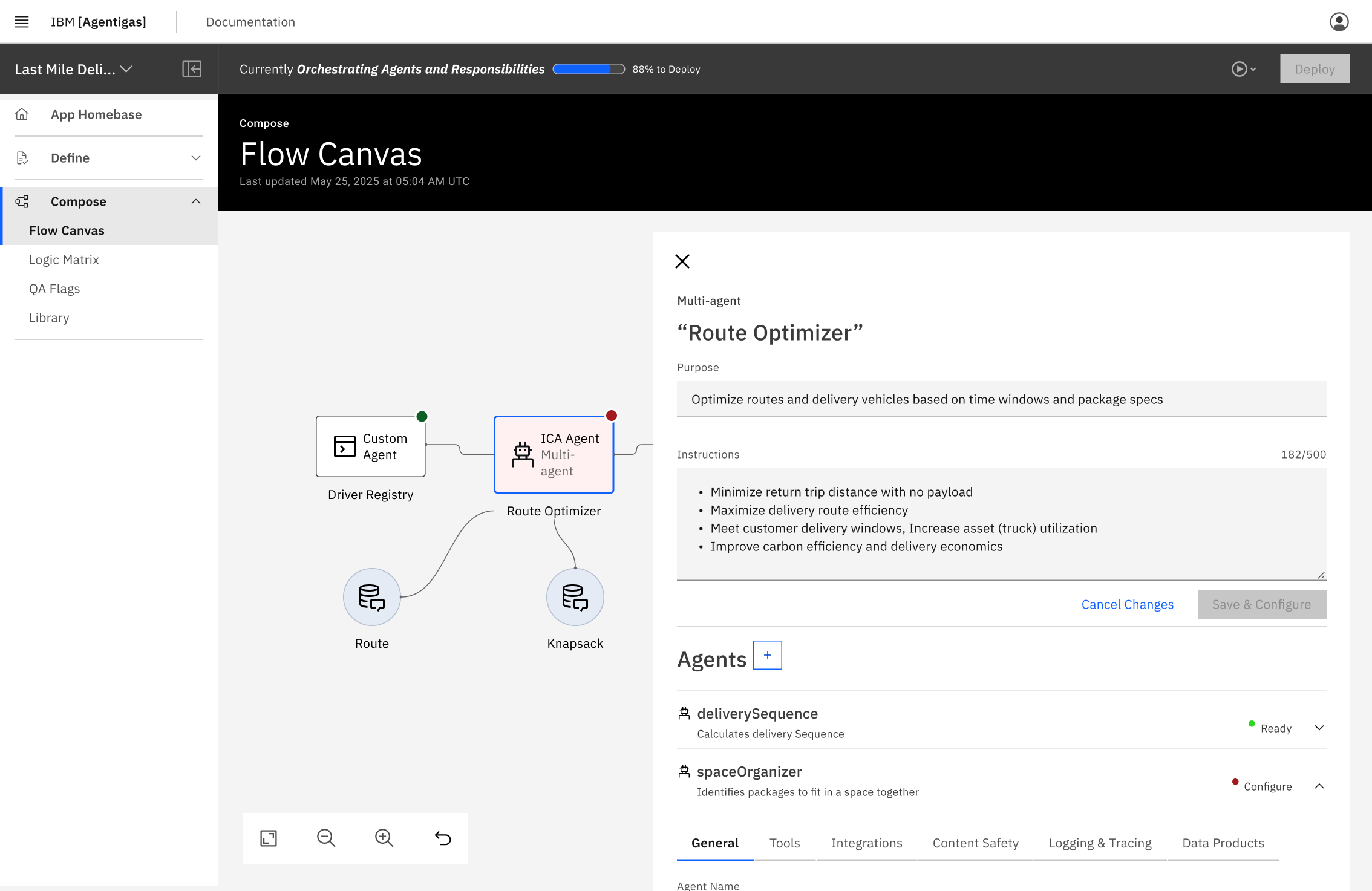
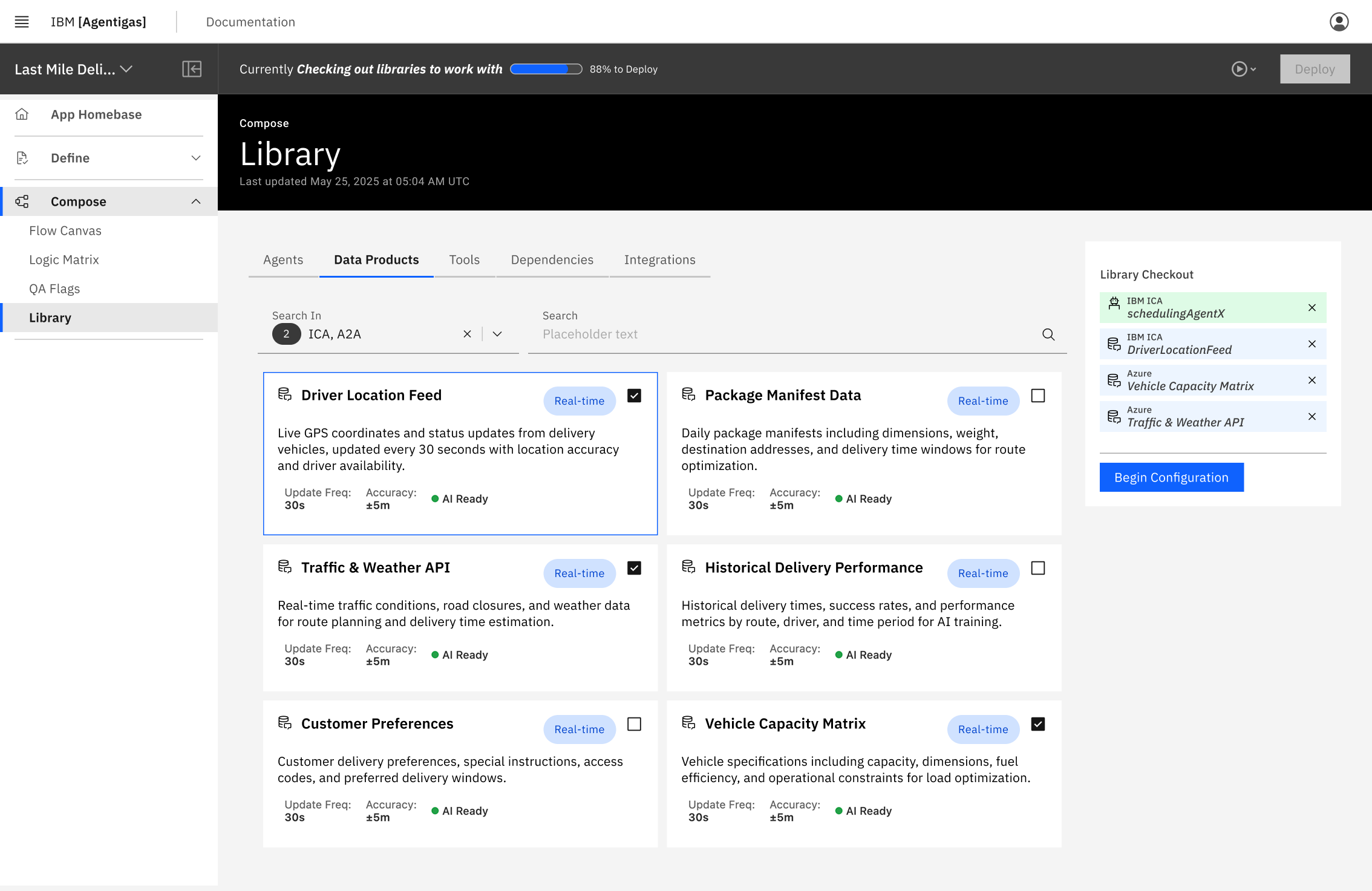
Led product and workflow design for an agentic AI platform enabling enterprise teams to orchestrate multi-agent workflows with clarity and governance.
View platform architecture & flows
IbmSpotlight

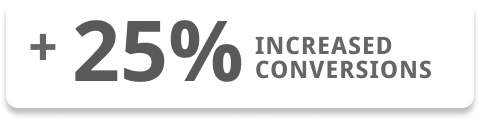
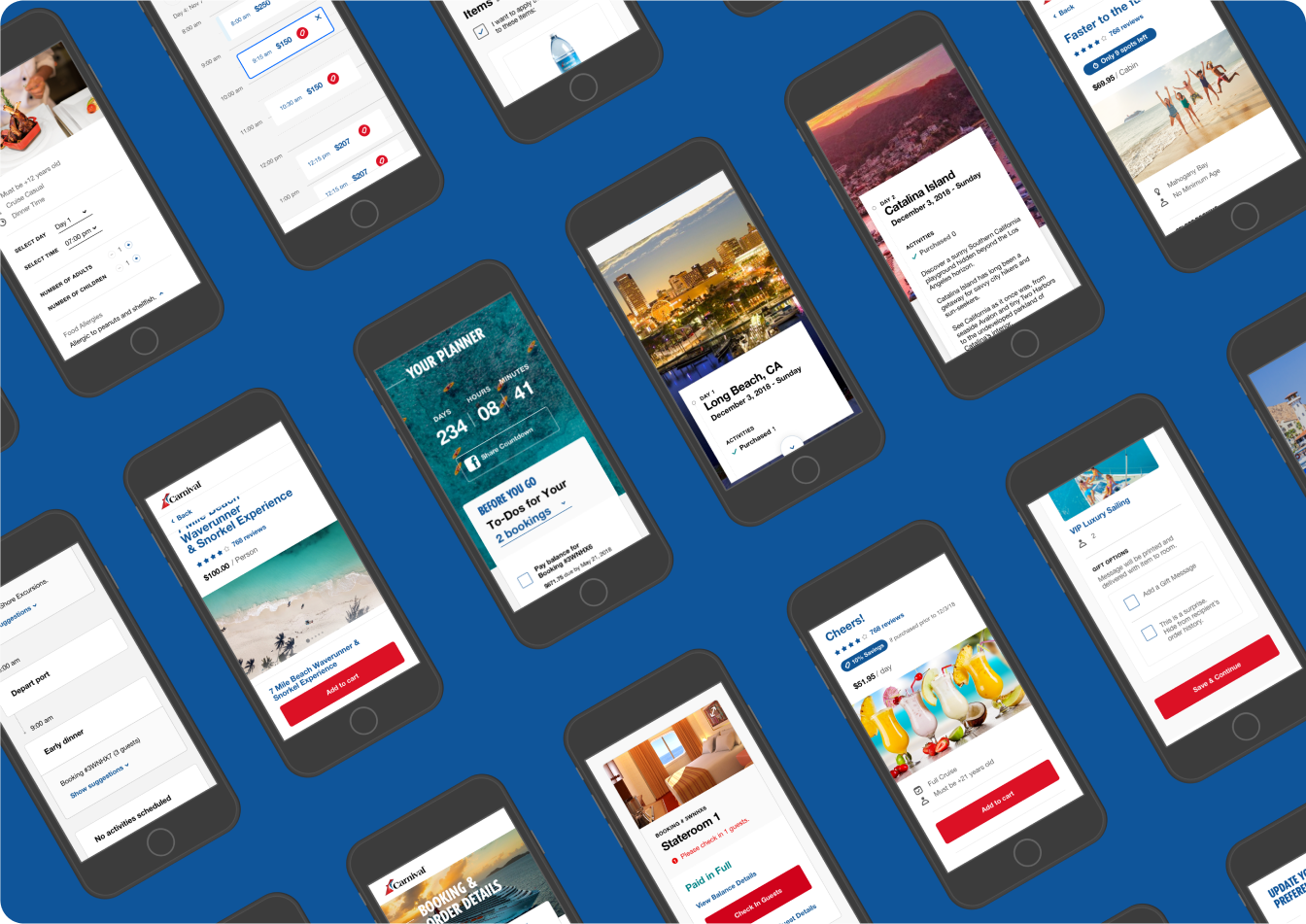
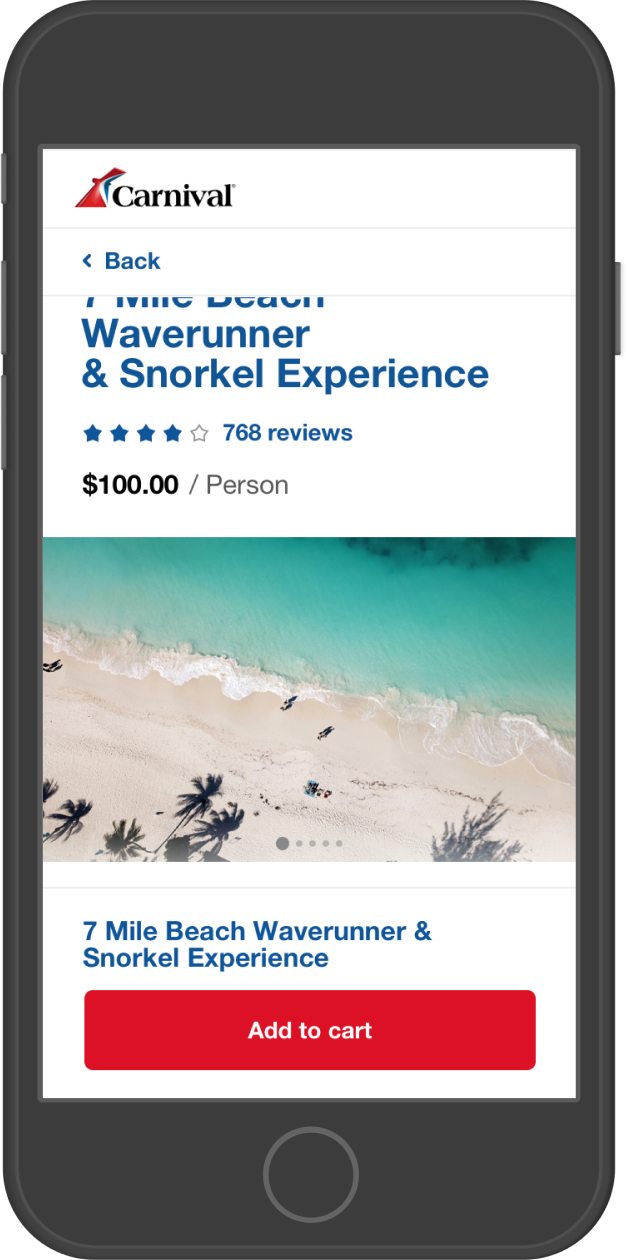
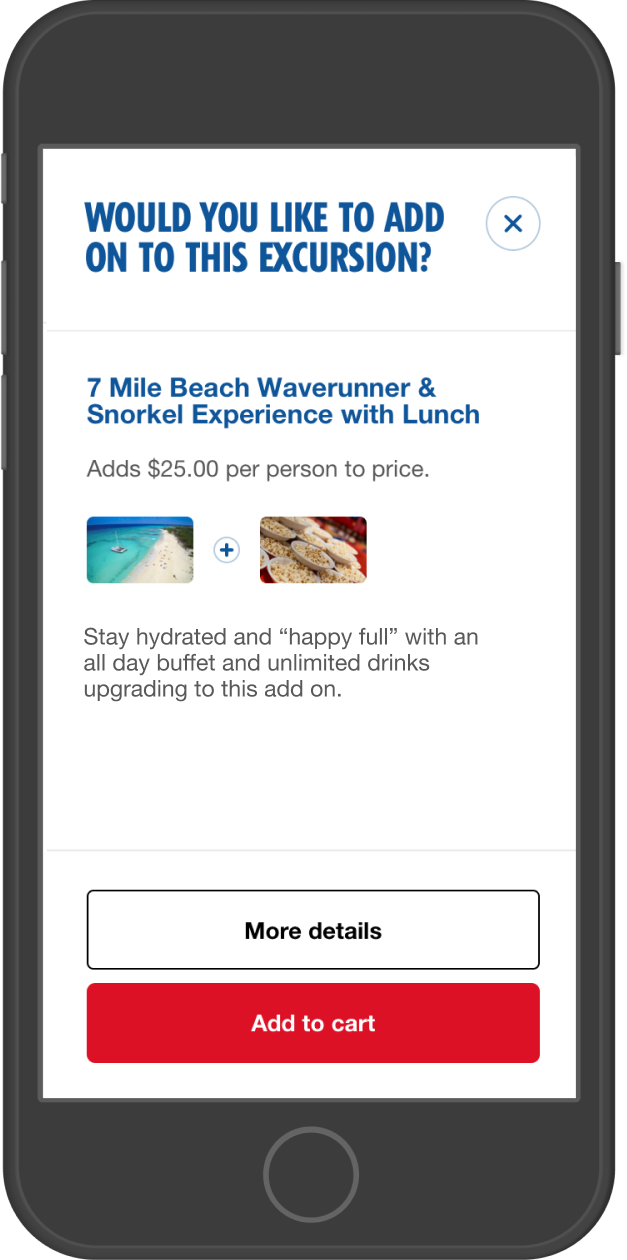
Carnival CRUISE LINE - UX LEAD Conversions
E-Commerce Guest Journeys Design System WCAG 2.x

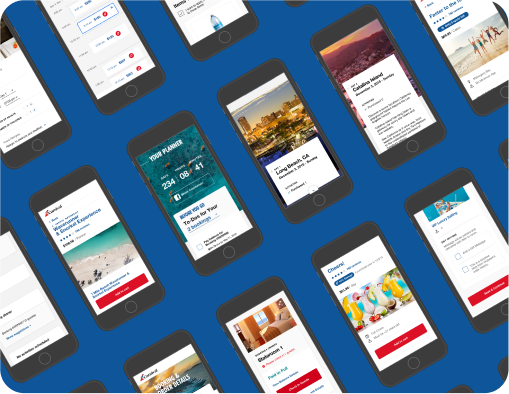
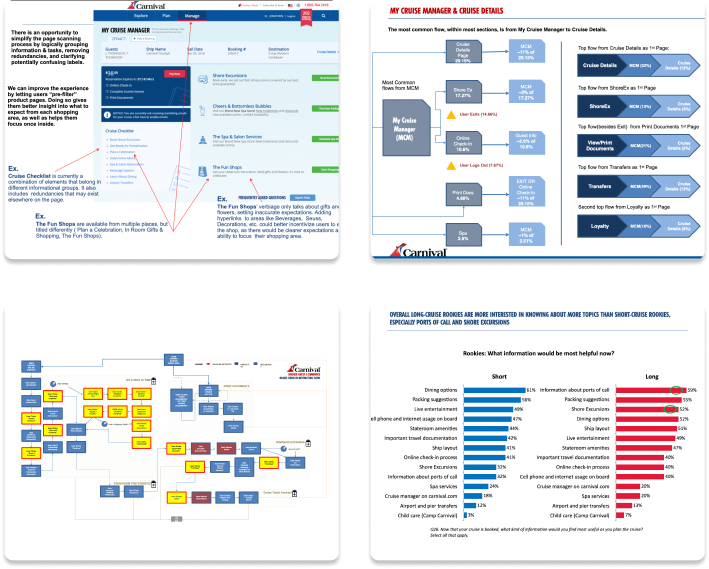
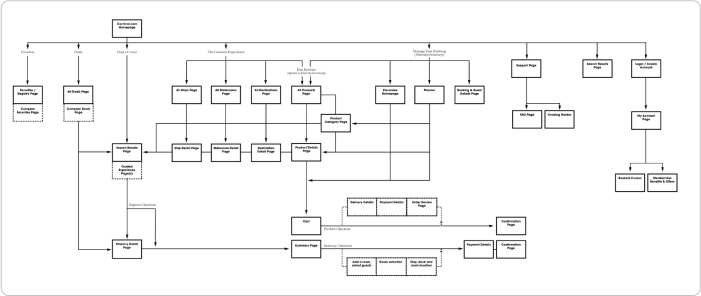
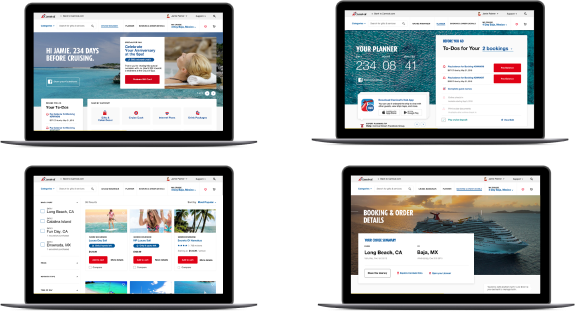
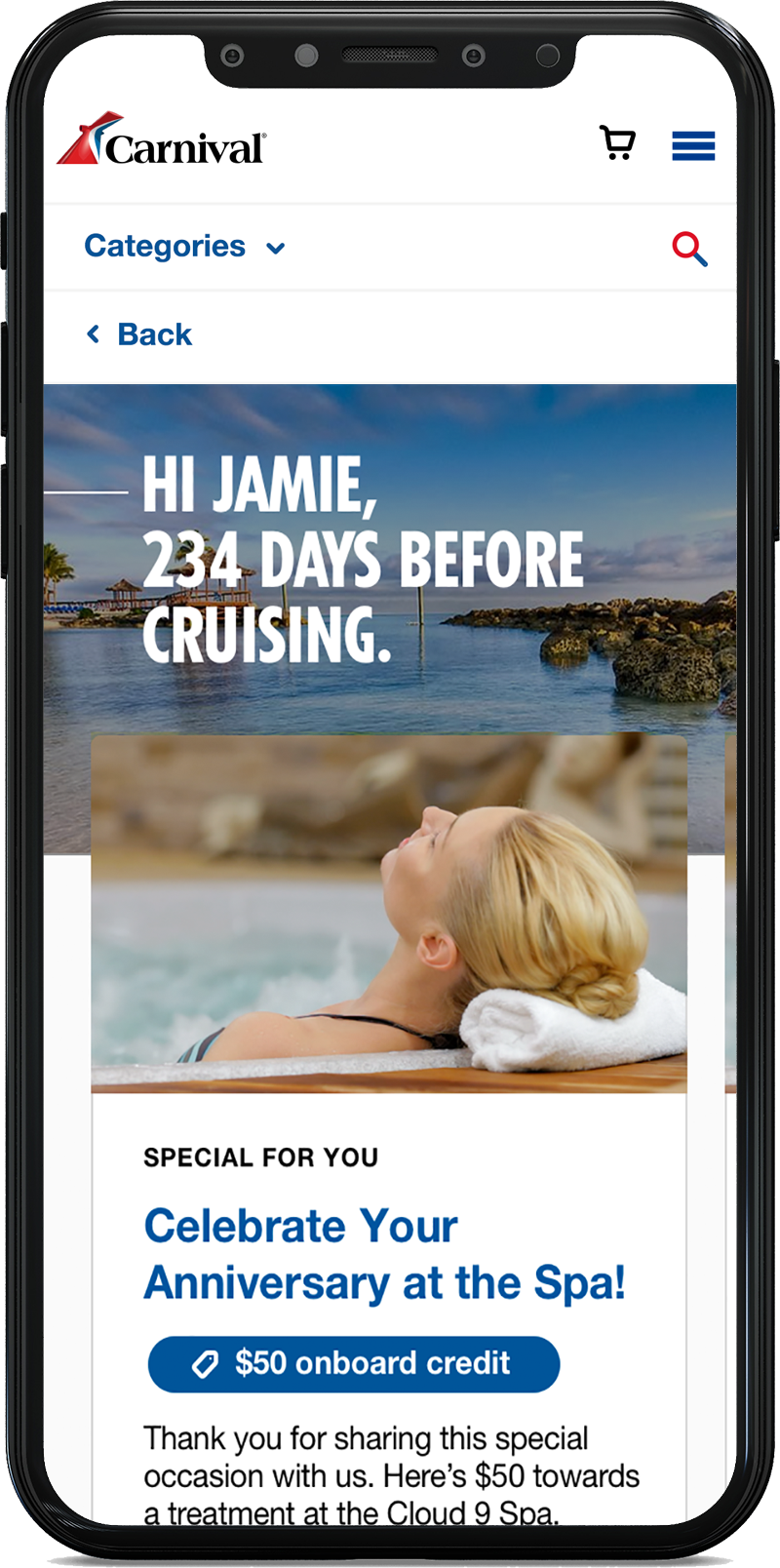
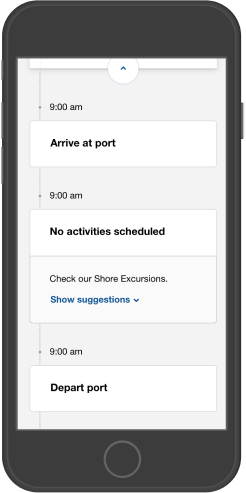
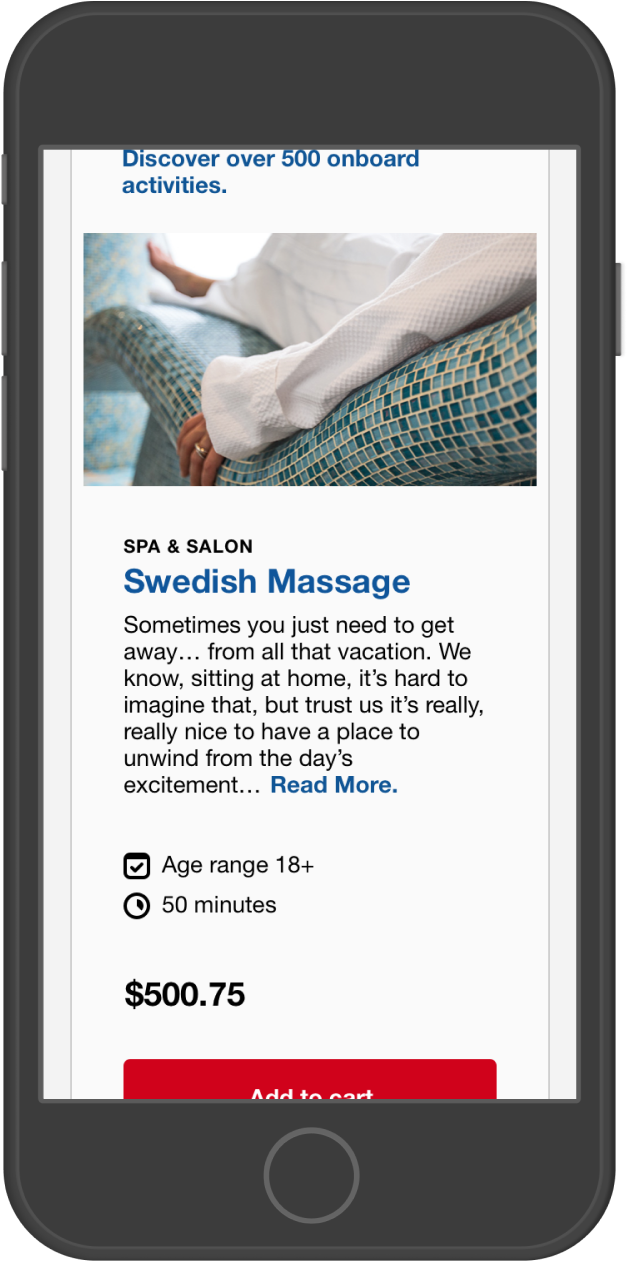
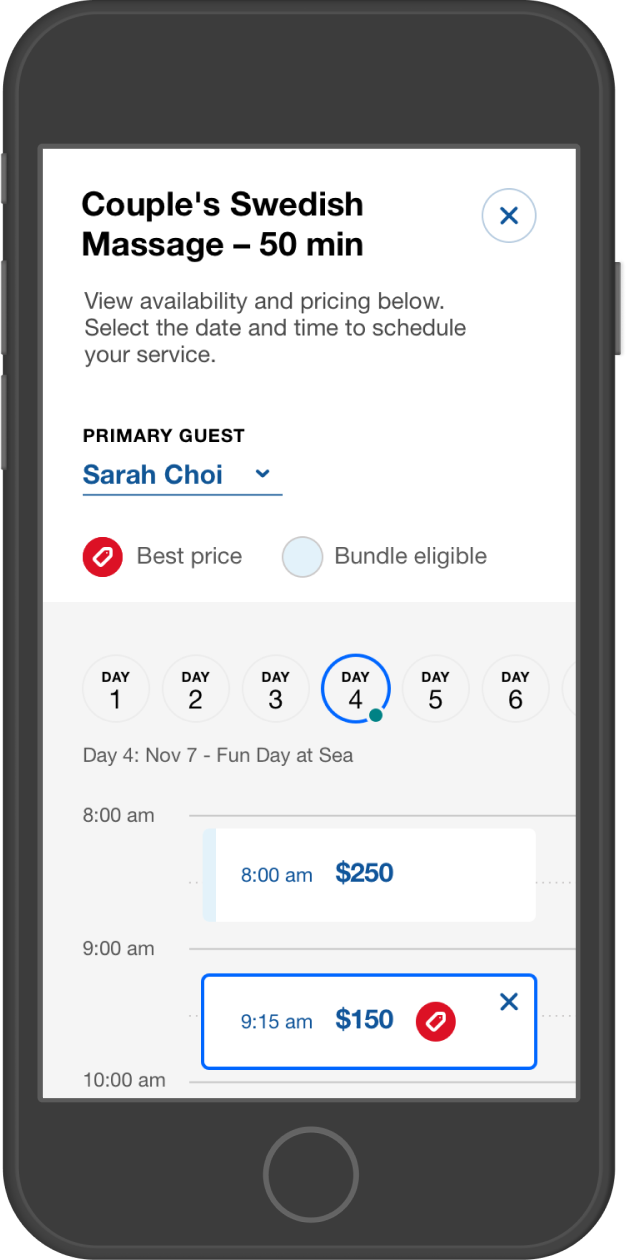
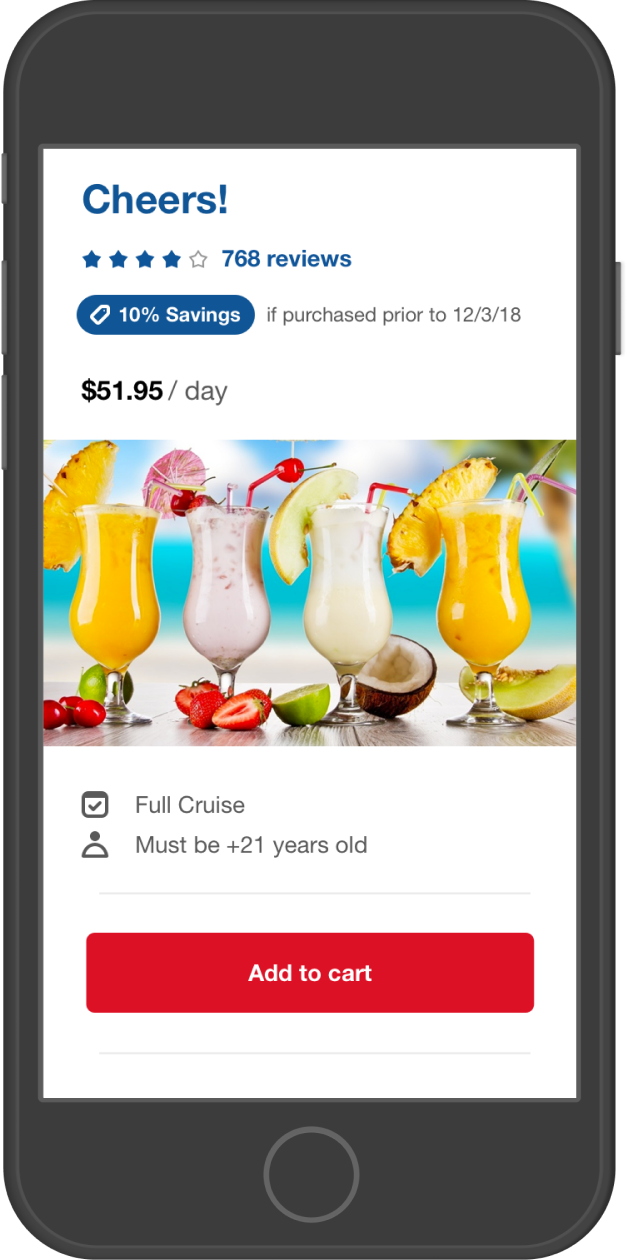
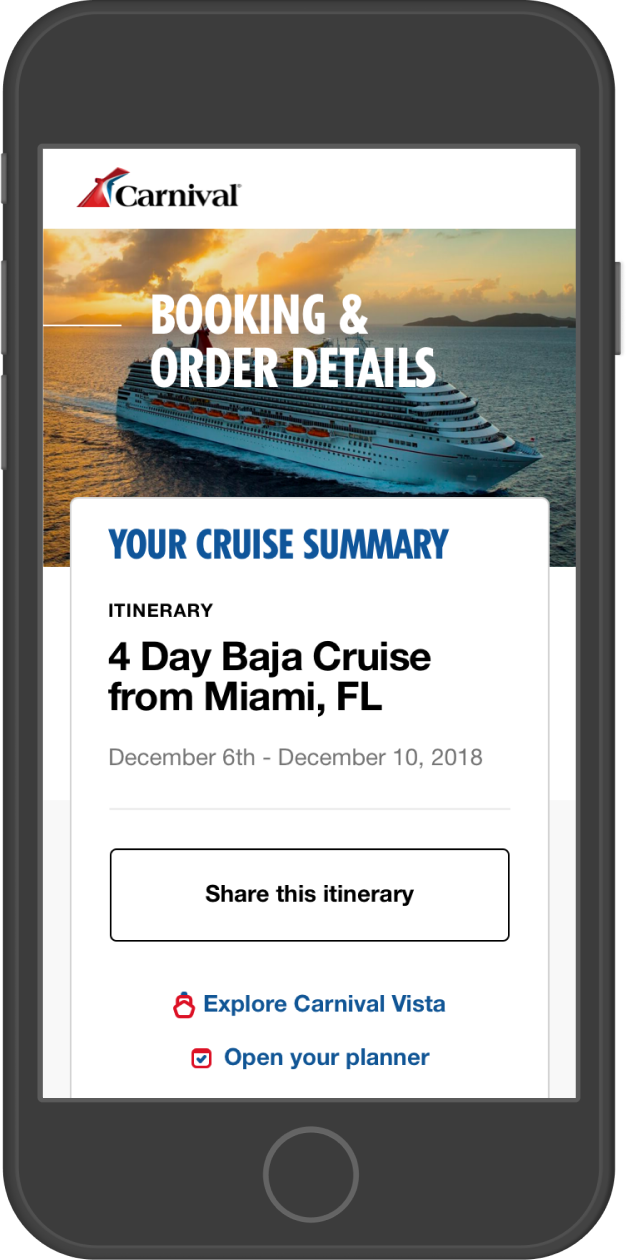
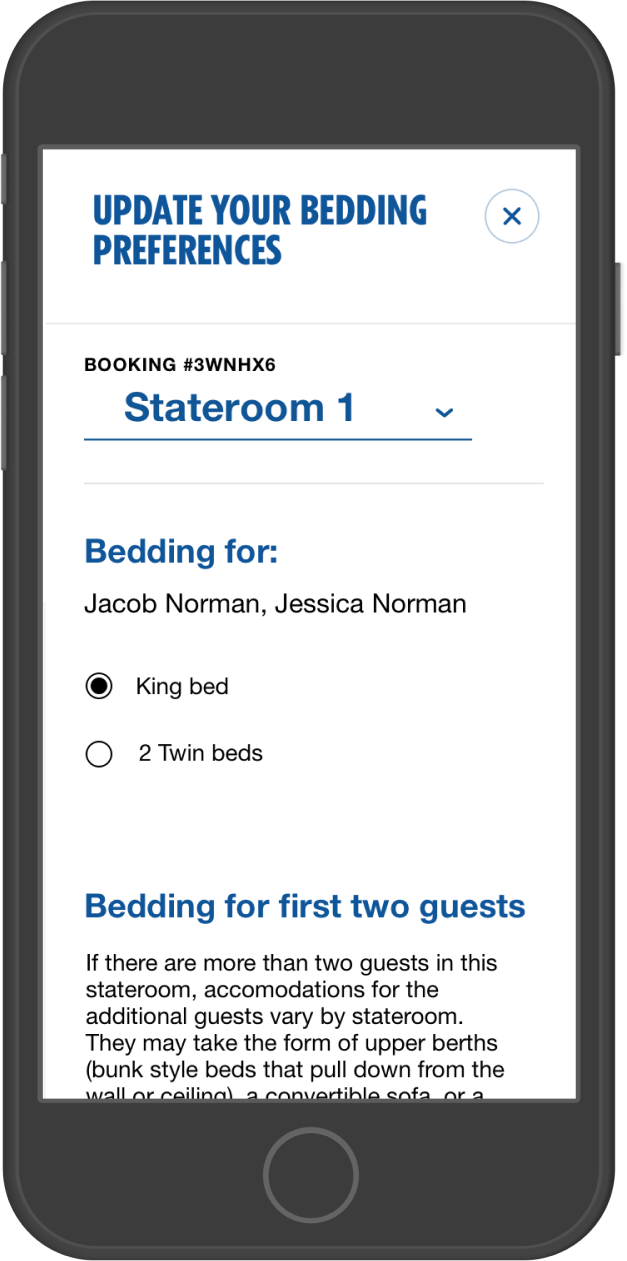
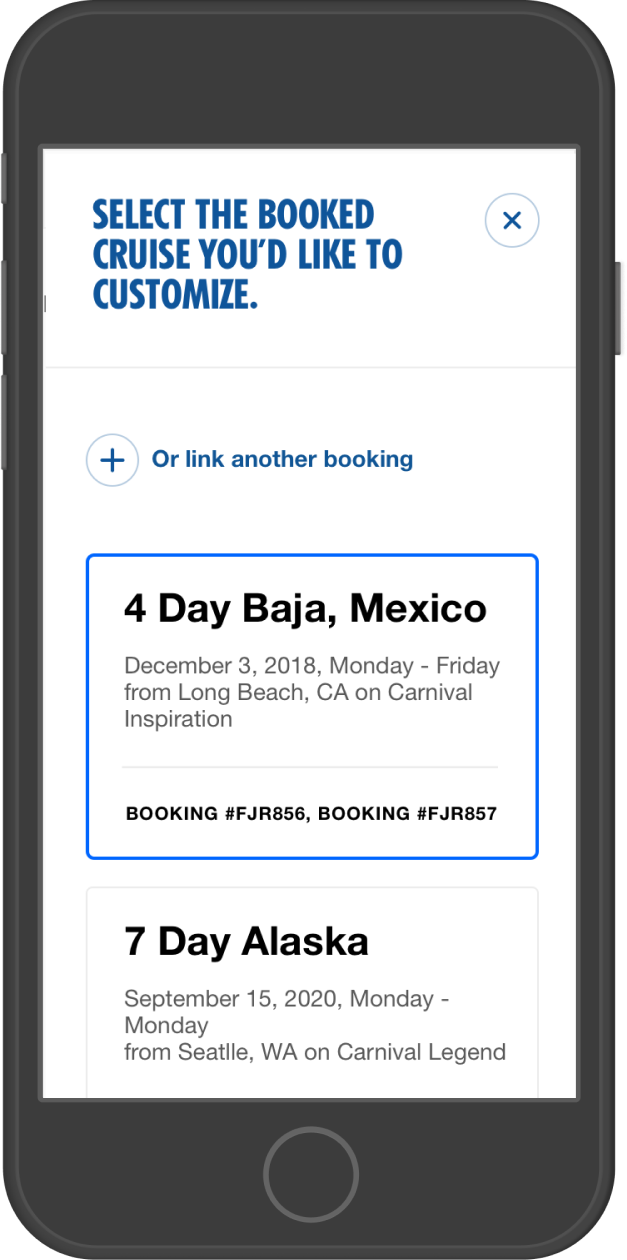
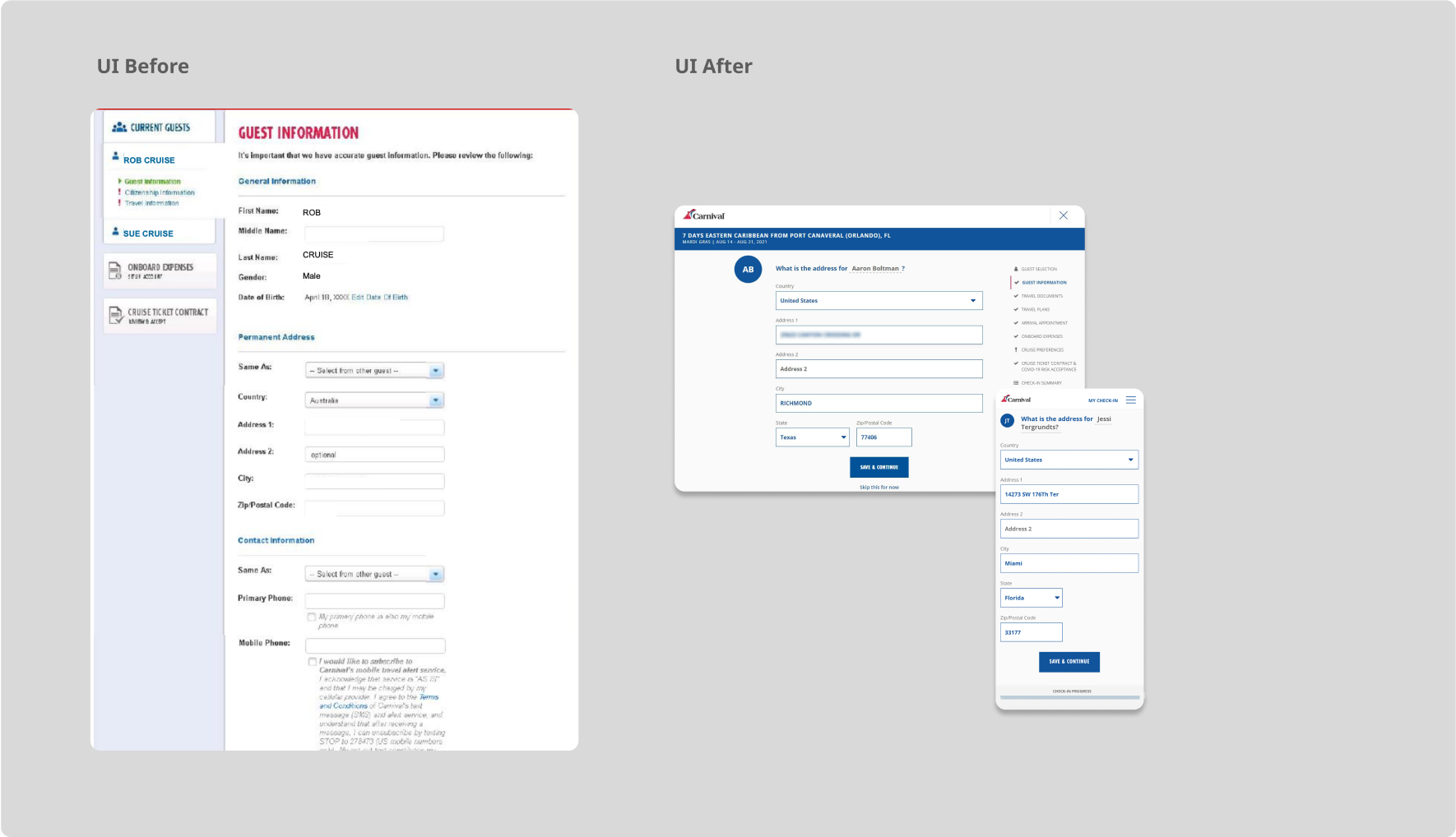
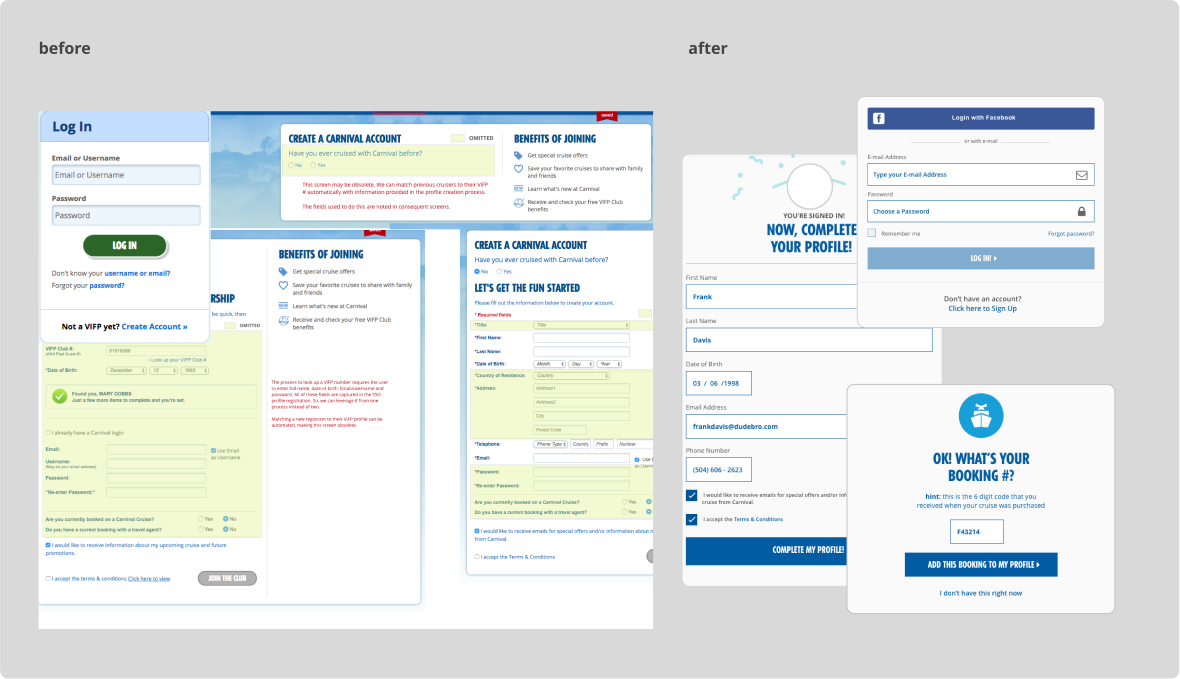
I led UX and design systems for e-commerce, check-in, SSO, ADA and more

View e-commerce design system overhaul
Cclthumb

MY APPROACH

I design systems for speed, clarity, and inclusion—so people can complete tasks confidently.

identify overlap
Identify Overlap
  • Domains & Information Architecture
  • Personas, Workflows & Journeys
  • Atomic Design Systems & Reusability
  • Metadata & Context
Simplify Interactions
  • Heuristics & Design Principles
  • Priming & Batching
  • Mental vs. Conceptual Models
  • User Testing
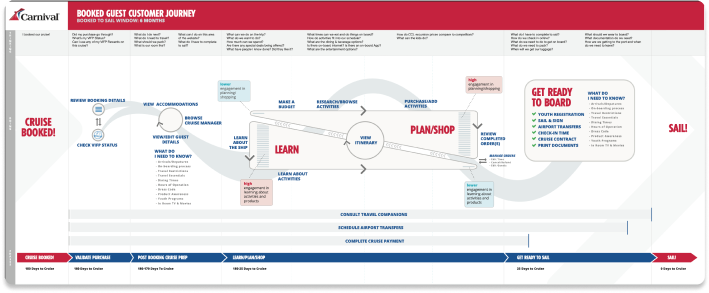
Harmonize Journeys
Harmonize Journeys
  • Channels & Touchpoints
  • Quant & Qual Research
  • UX Metrics & Enterprise KPIs
  • Journey Maps
Accessibility by Design

Built directly into component systems so accessible behavior survives scale, reuse, and refactors—independent of tooling or framework.

  • Accessibility patterns defined at the component level, not retrofitted per screen
  • WCAG 2.1 AA–aware behaviors documented and shared through tooling (e.g., Storybook)
  • Semantic HTML, roles, states, and naming standardized across the system
  • Keyboard interaction, focus order, and error handling specified as component contracts
  • Contrast, typography scale, and motion safety enforced through shared tokens
  • Ongoing QA partnership with engineering, including audits and regression checks
THINK AHEAD
WHILE IMPROVING NOW
Build / Run
and
BE ITERATIVE, HUMAN-CENTERED,
LEAN & AGILE
ITERATIVE, HUMAN-CENTERED, LEAN & AGILE

EXPERIENCE & CASE STUDIES

Senior product and UX designer across AI platforms, automation, and operational systems—shipping accessible, reliable experiences that reduce risk and rework. Hands-on IC/Lead owning systems from problem framing through shipped UI.


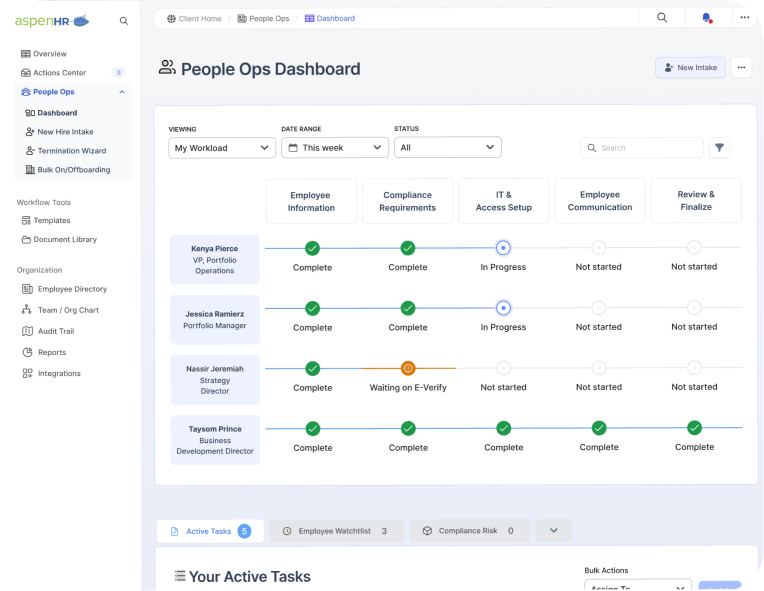
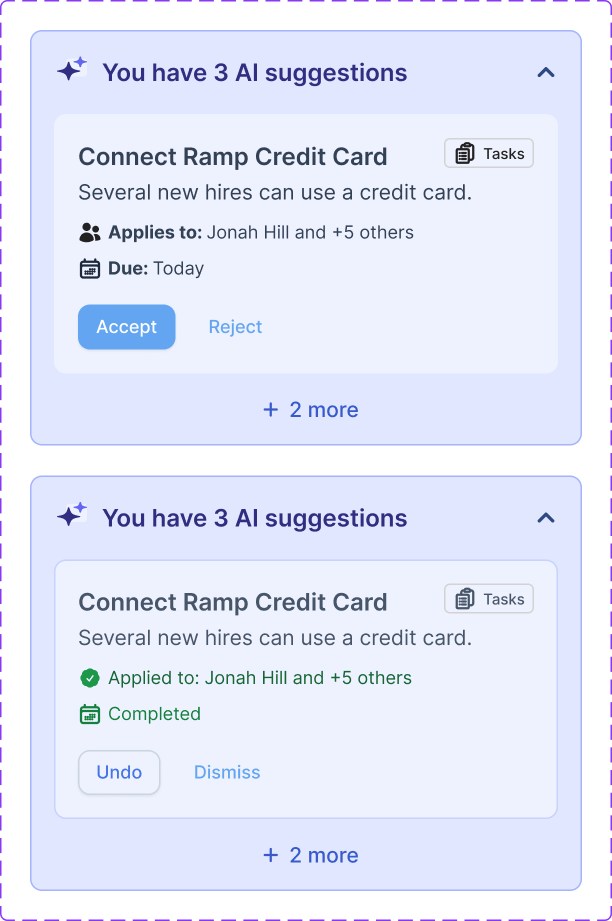
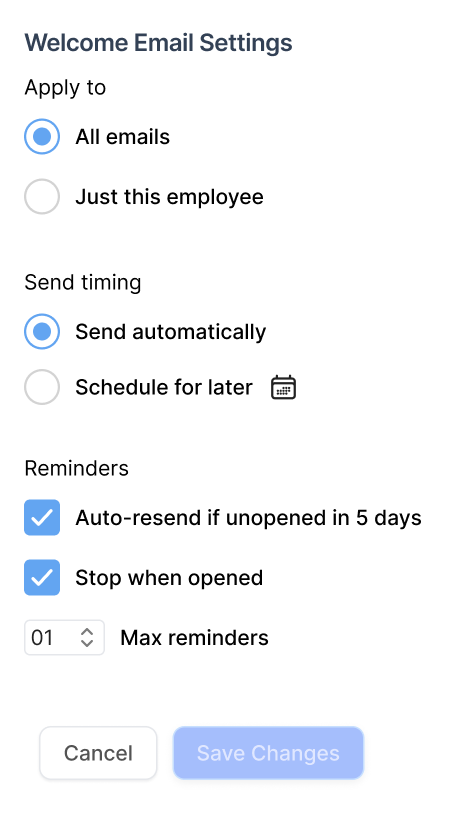
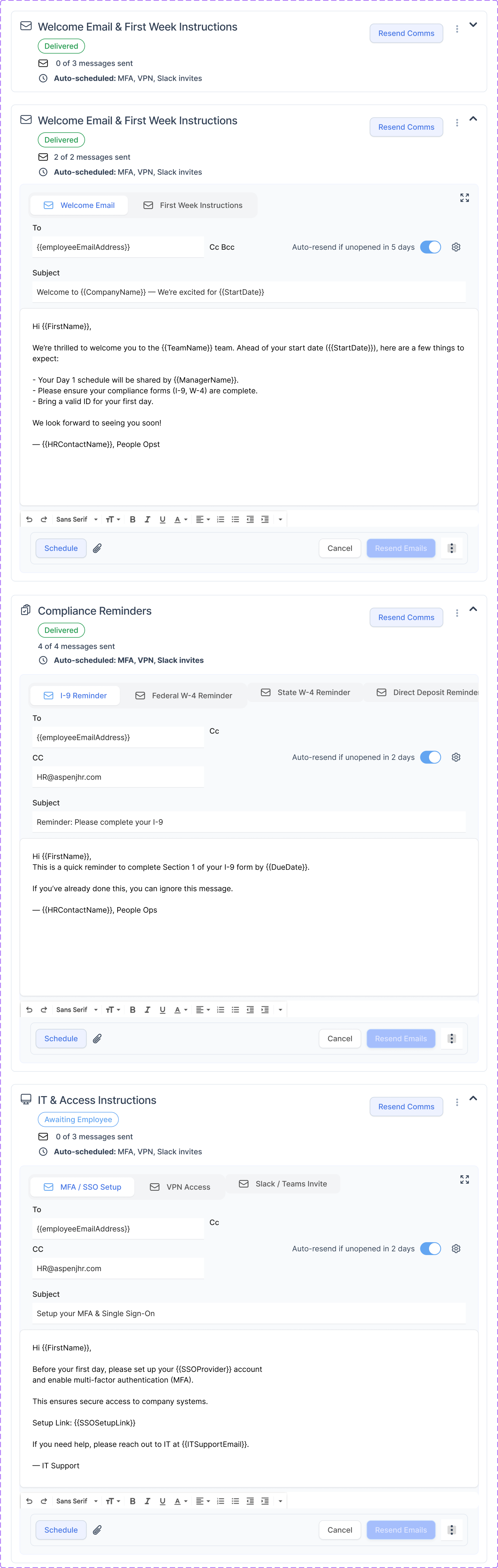
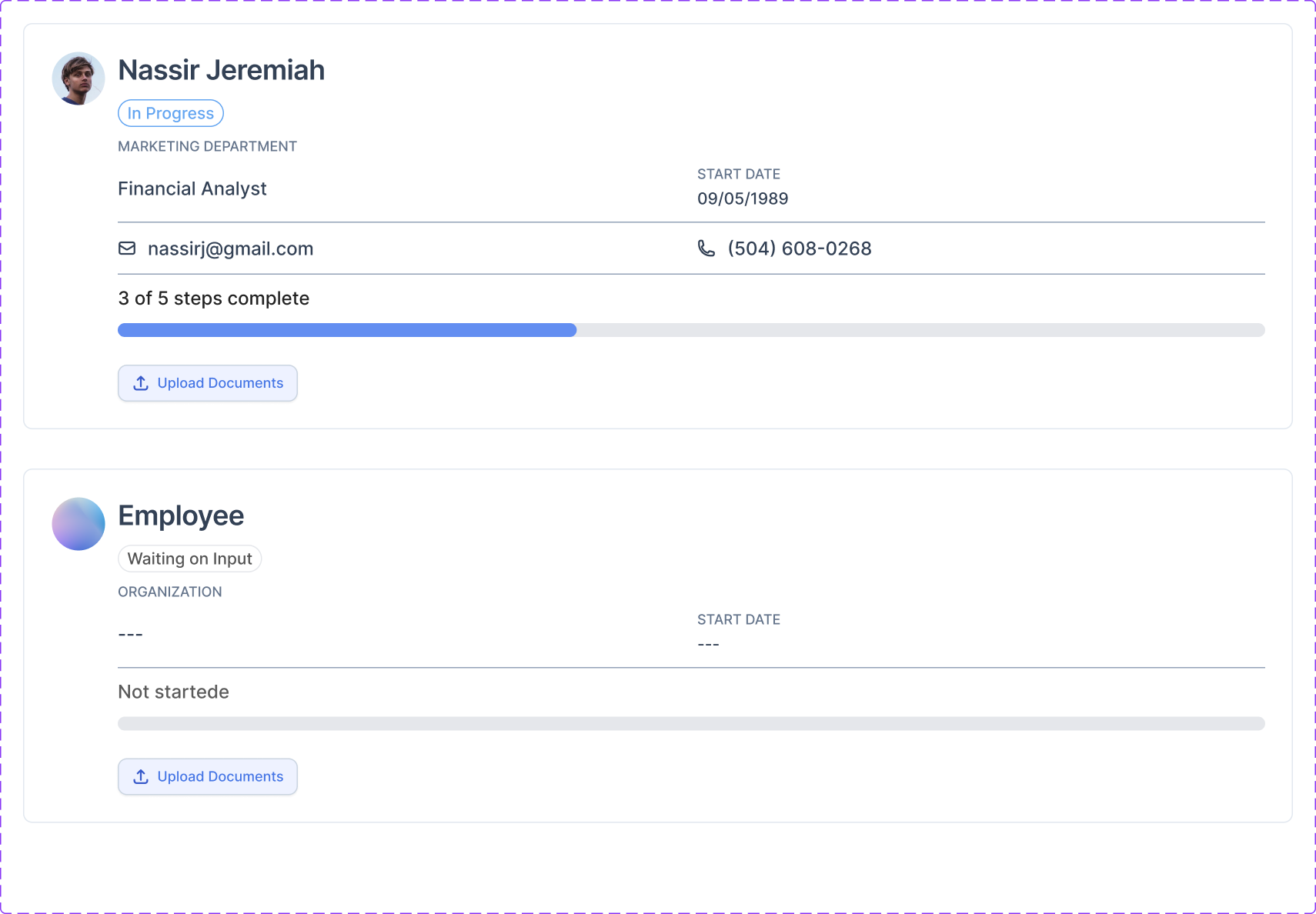
UX/Product Design Lead — HR Automation & Intelligent Middleware (Contract) · 2025 AspenHR
HRIS Middleware Workflows Design System WCAG 2.x

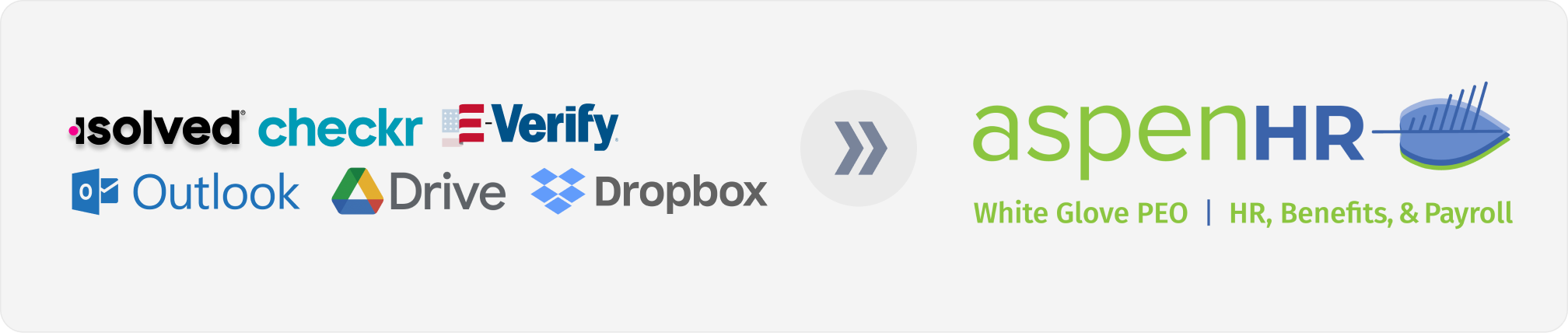
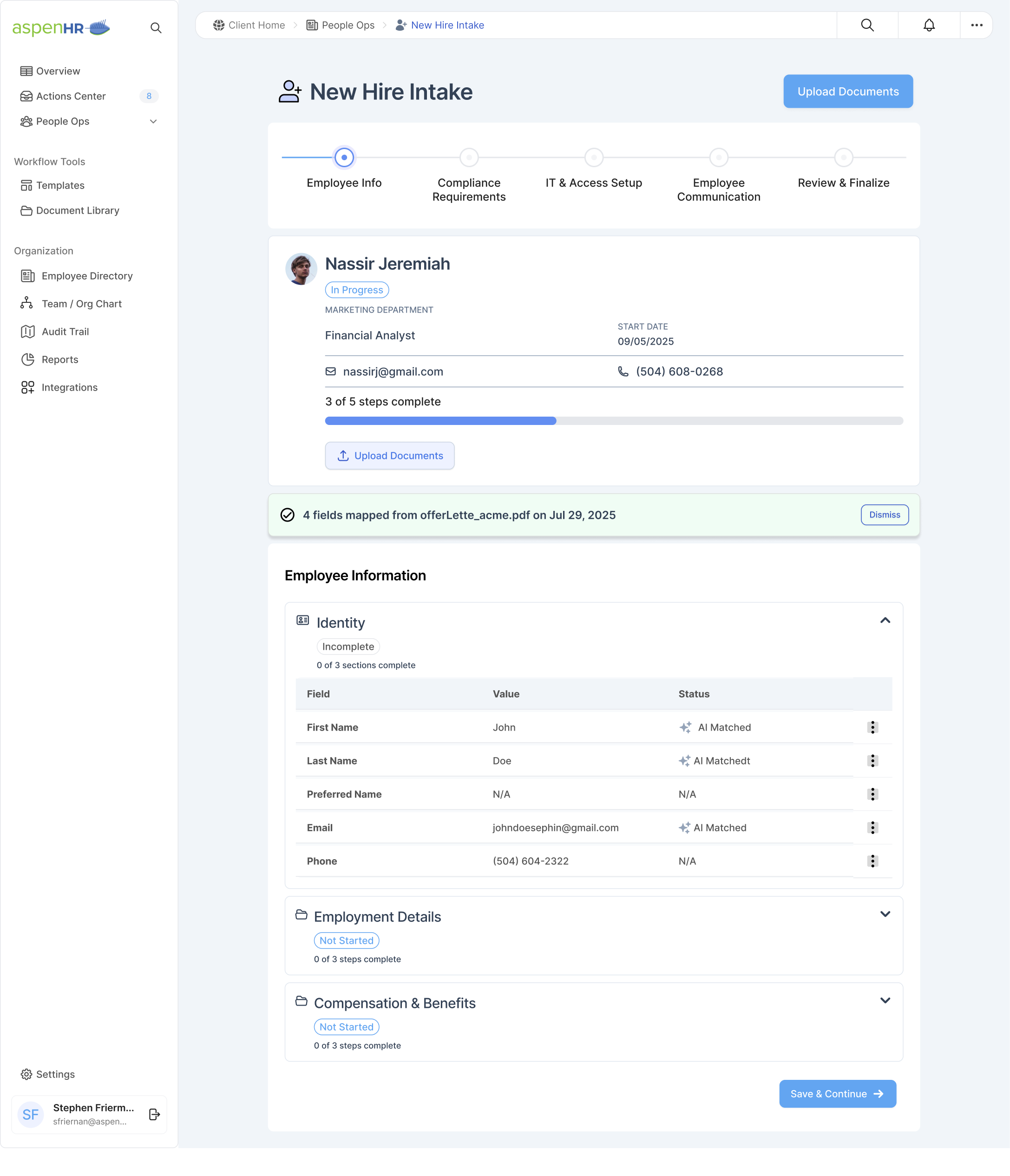
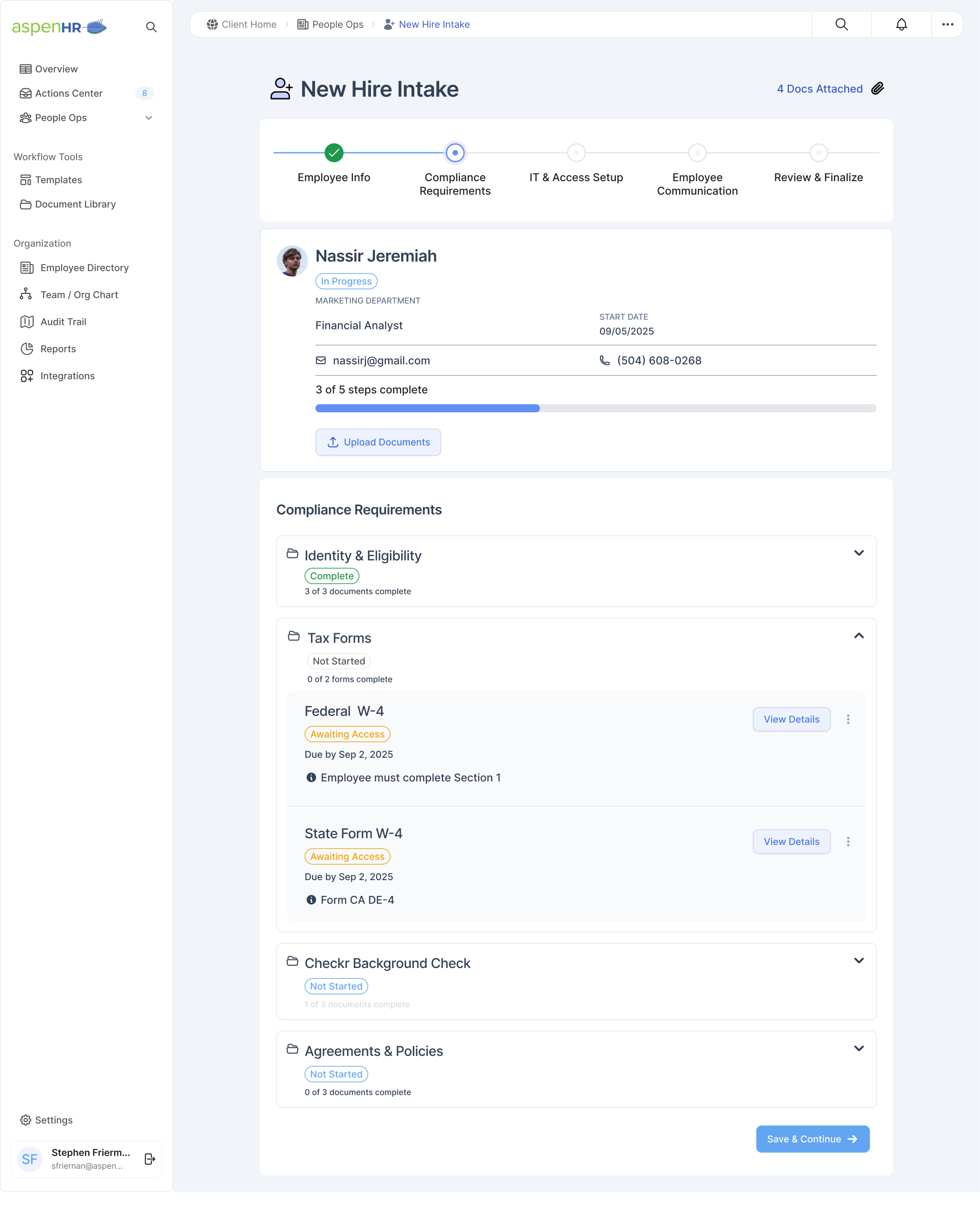
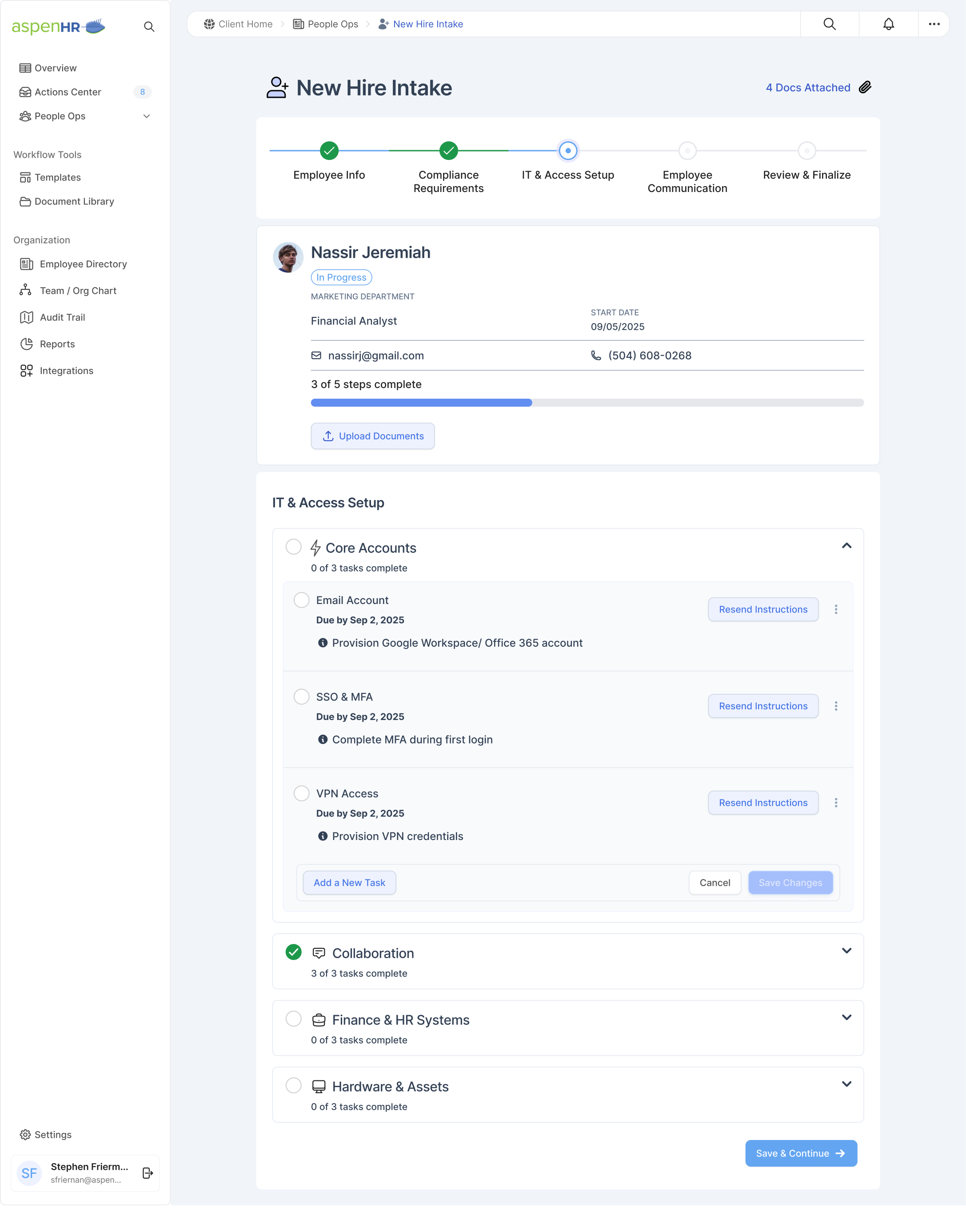
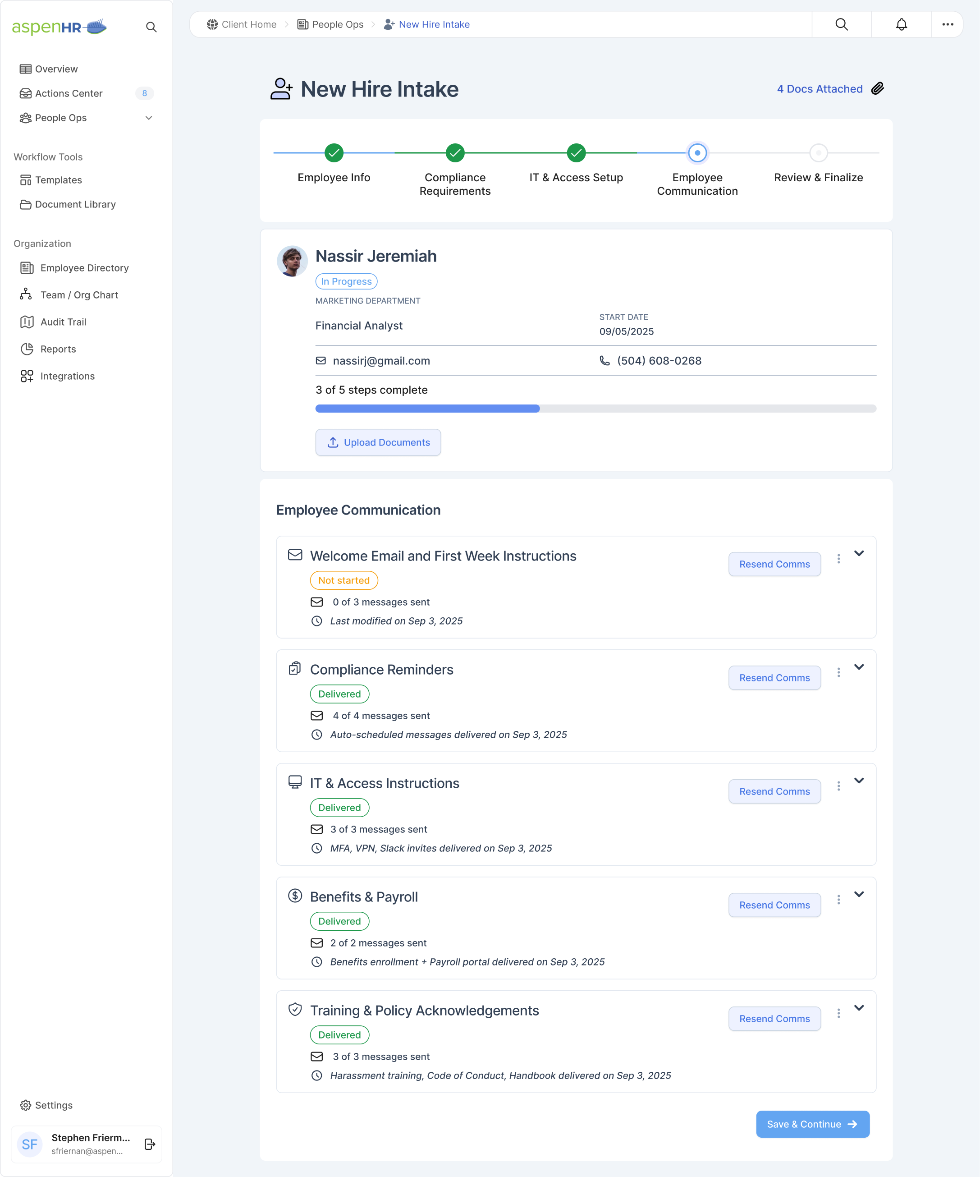
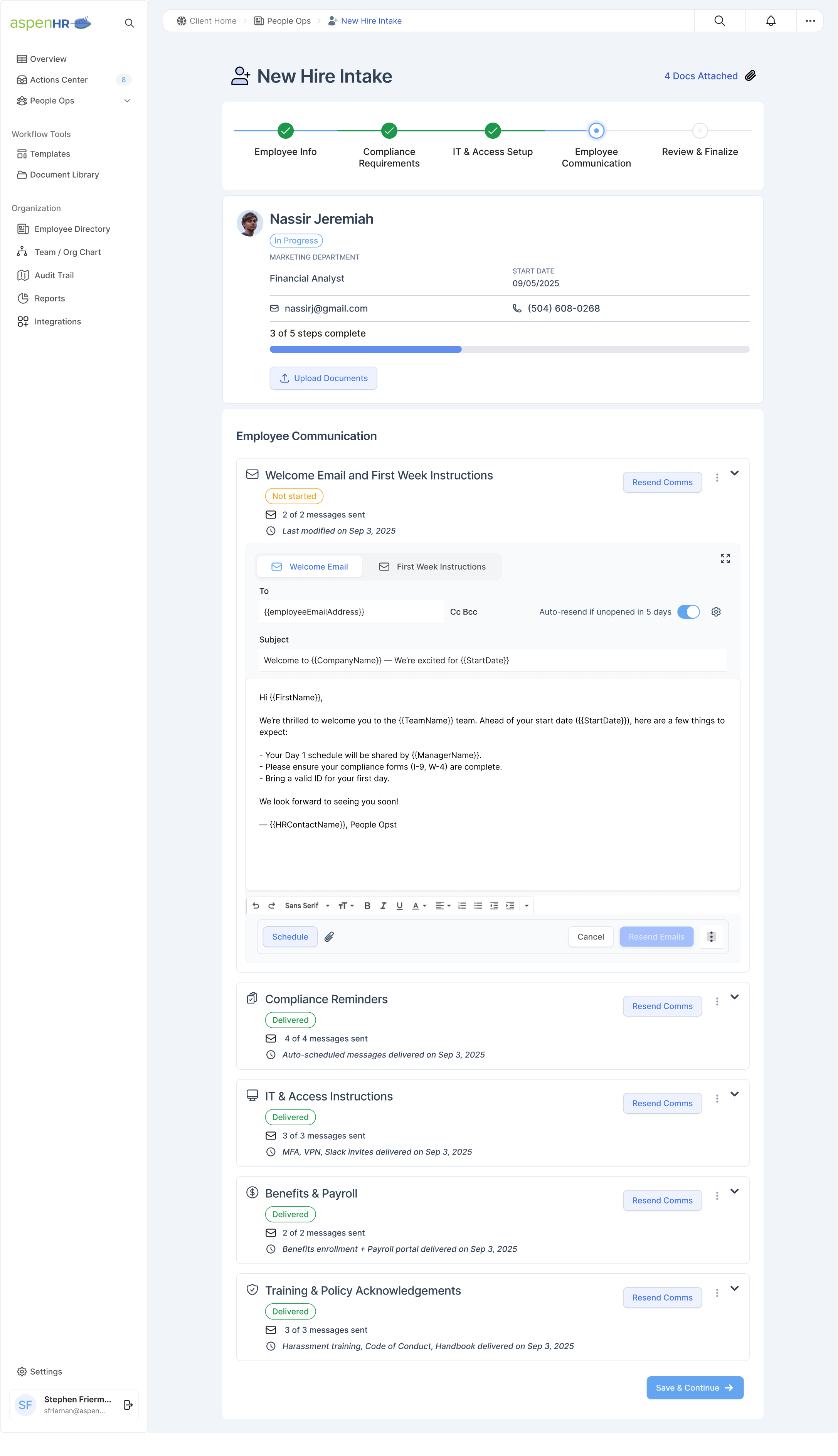
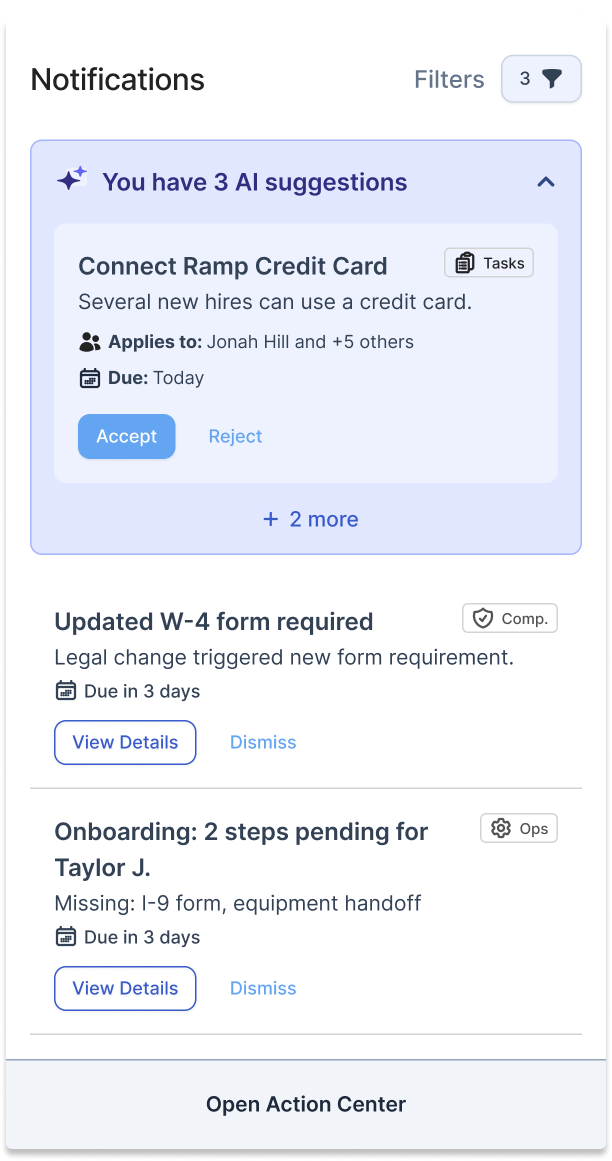
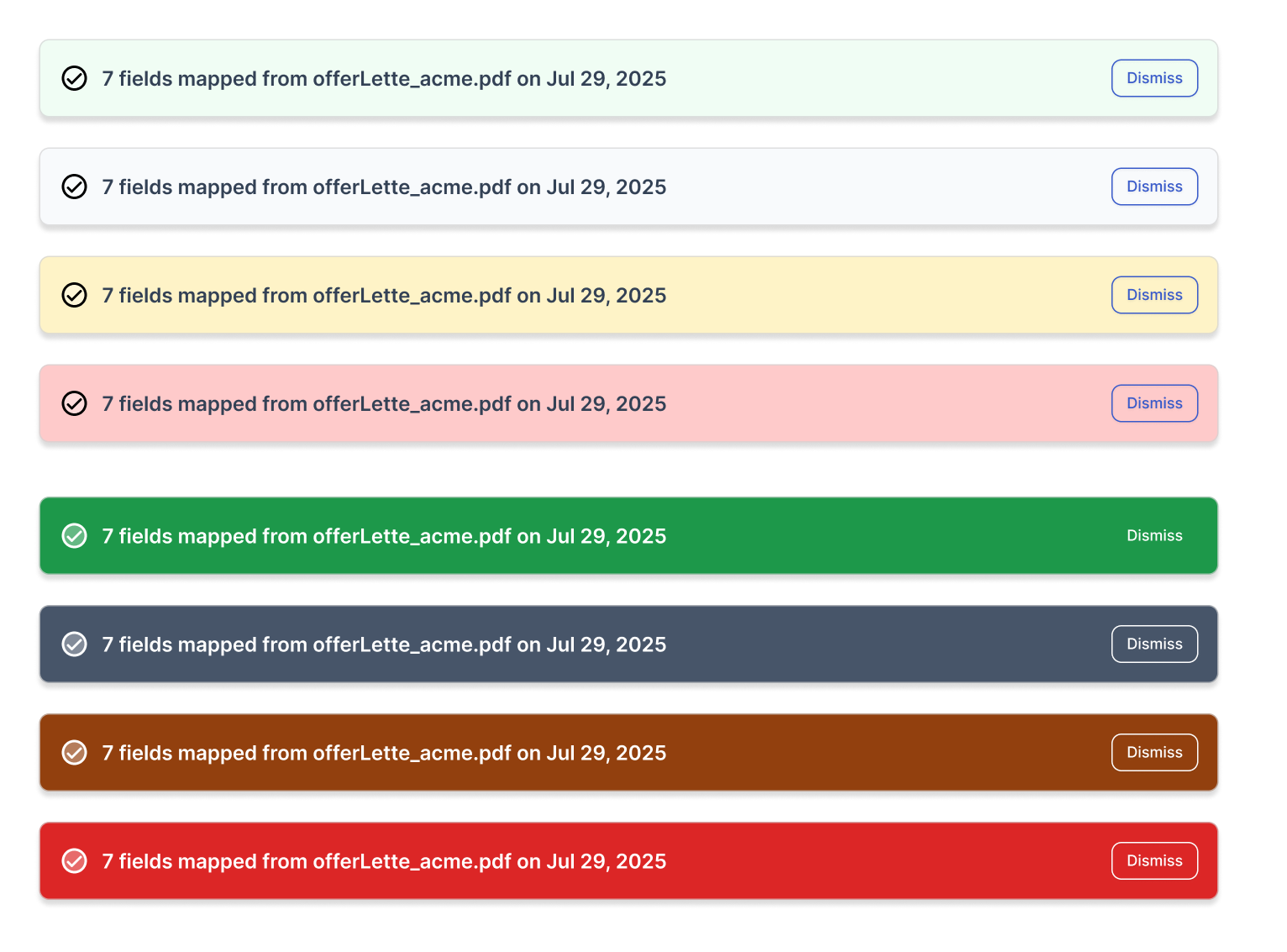
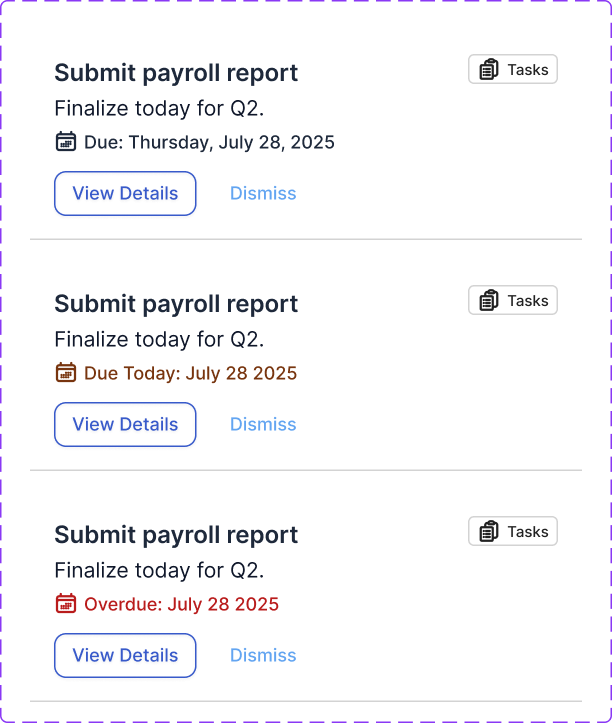
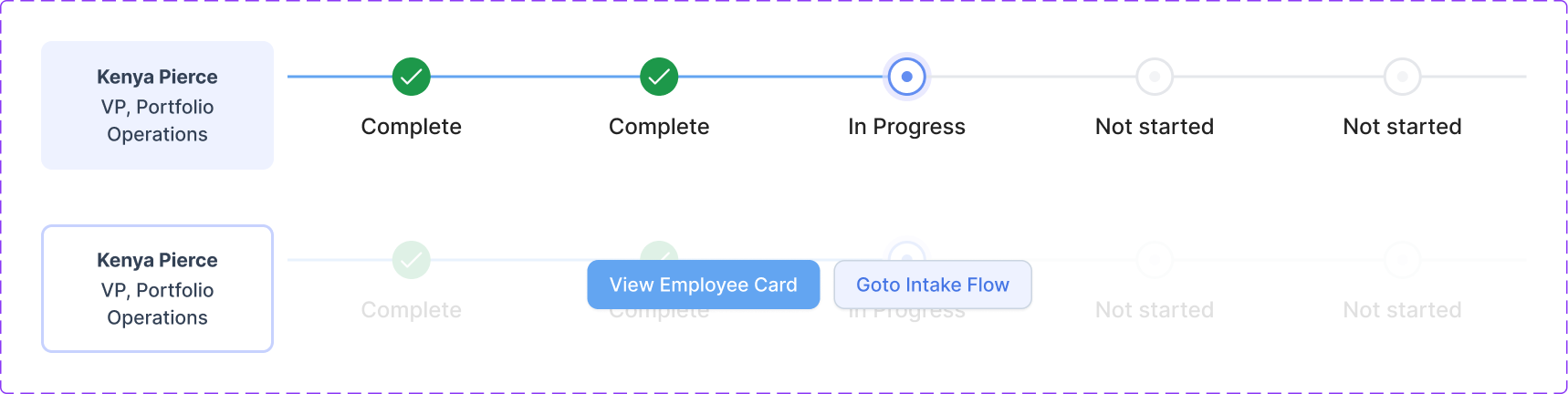
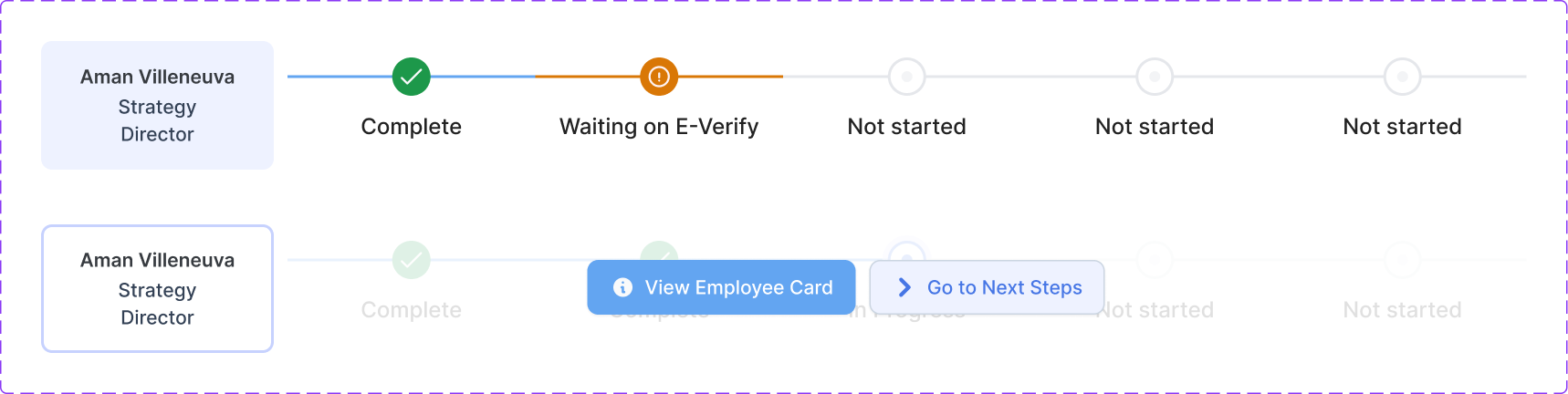
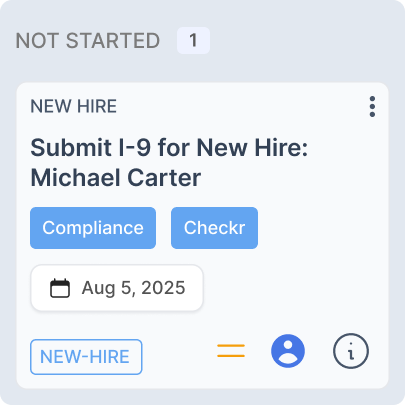
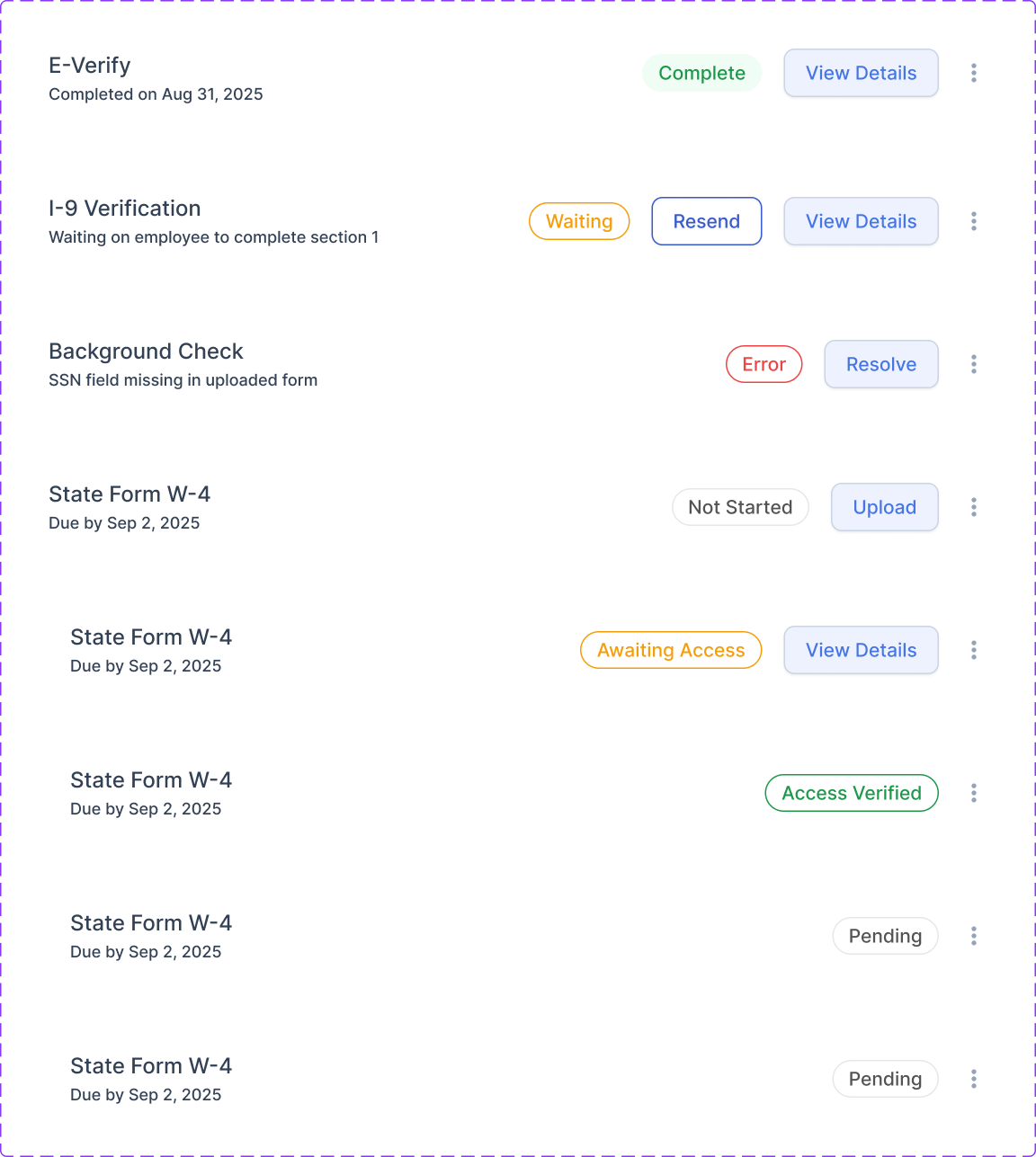
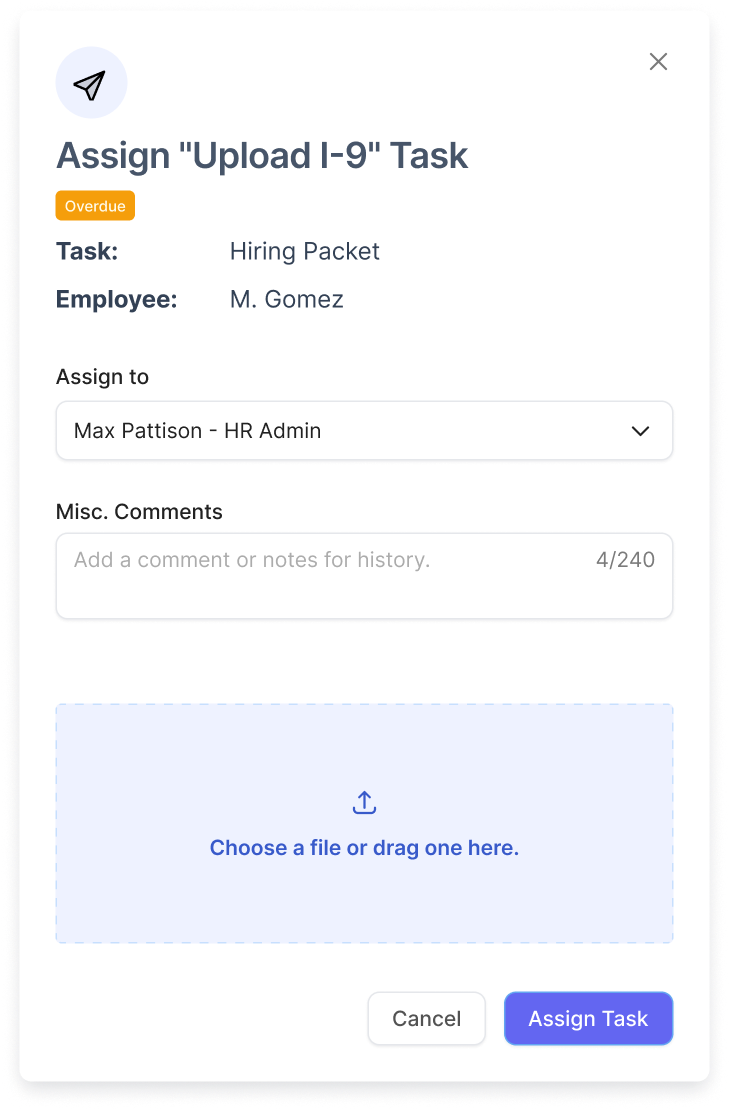
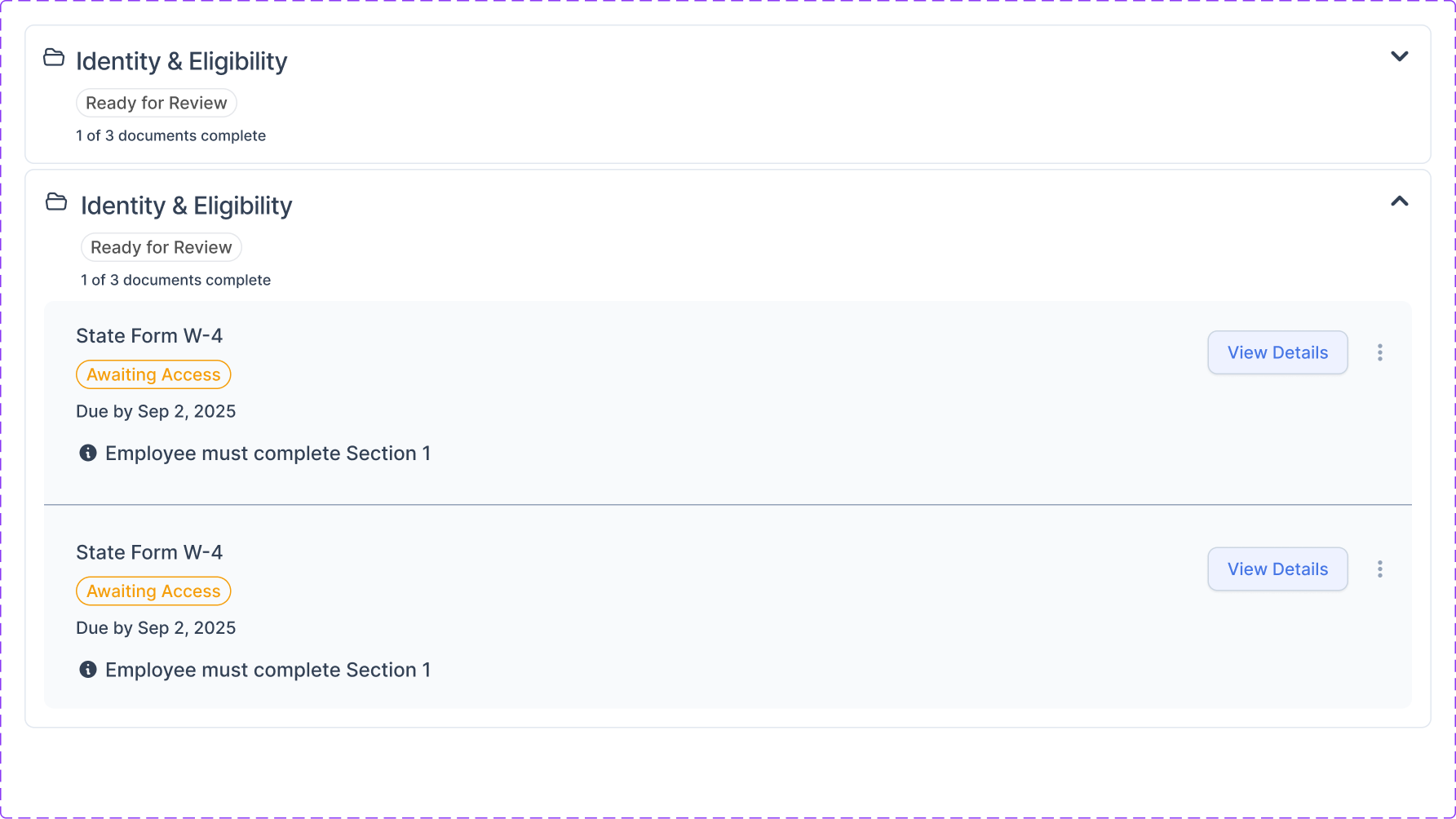
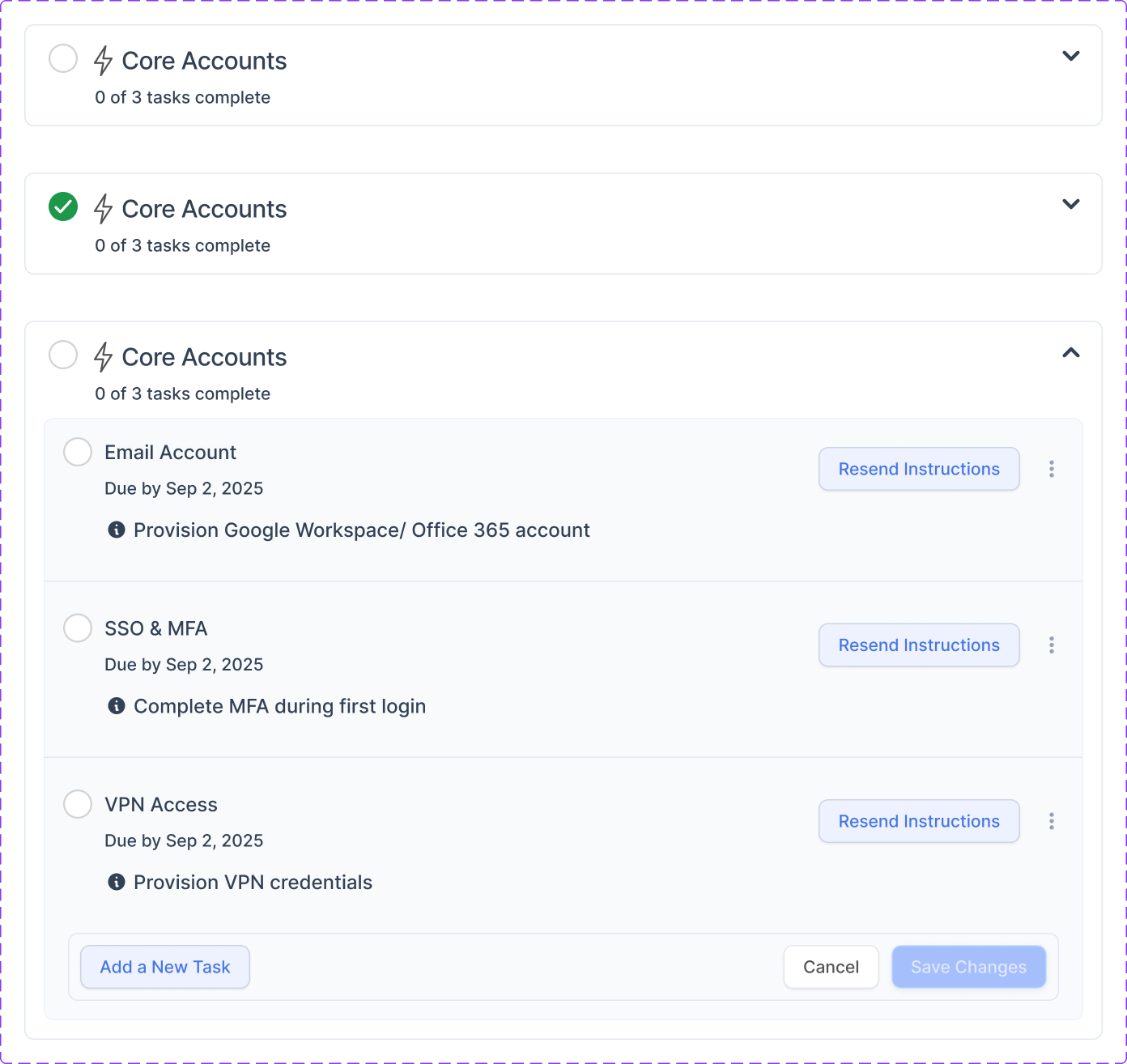
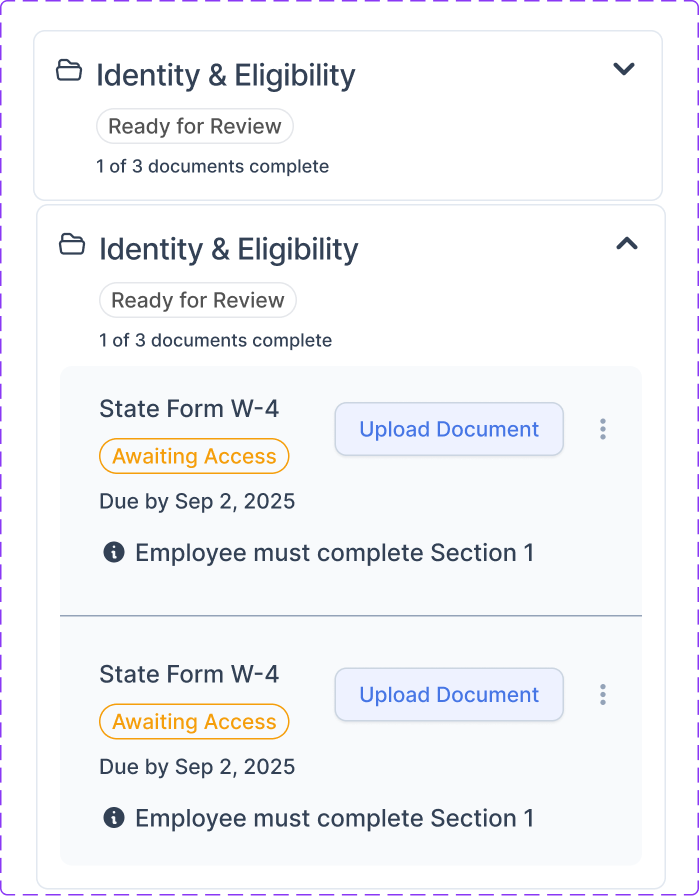
Designed a white-glove People Ops admin experience that turns onboarding and terminations into trackable, outcome-first workflows.

Learn more
view
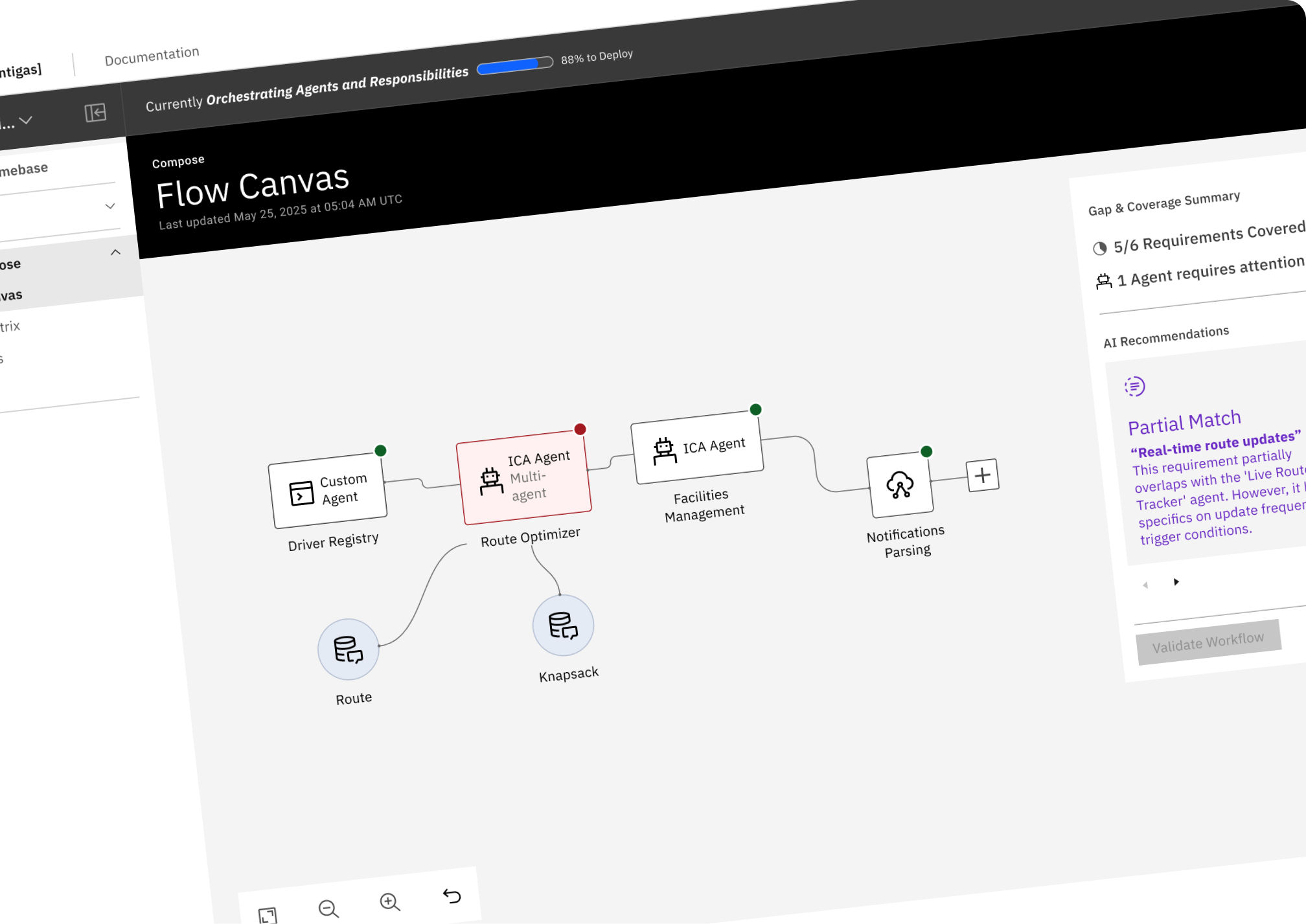
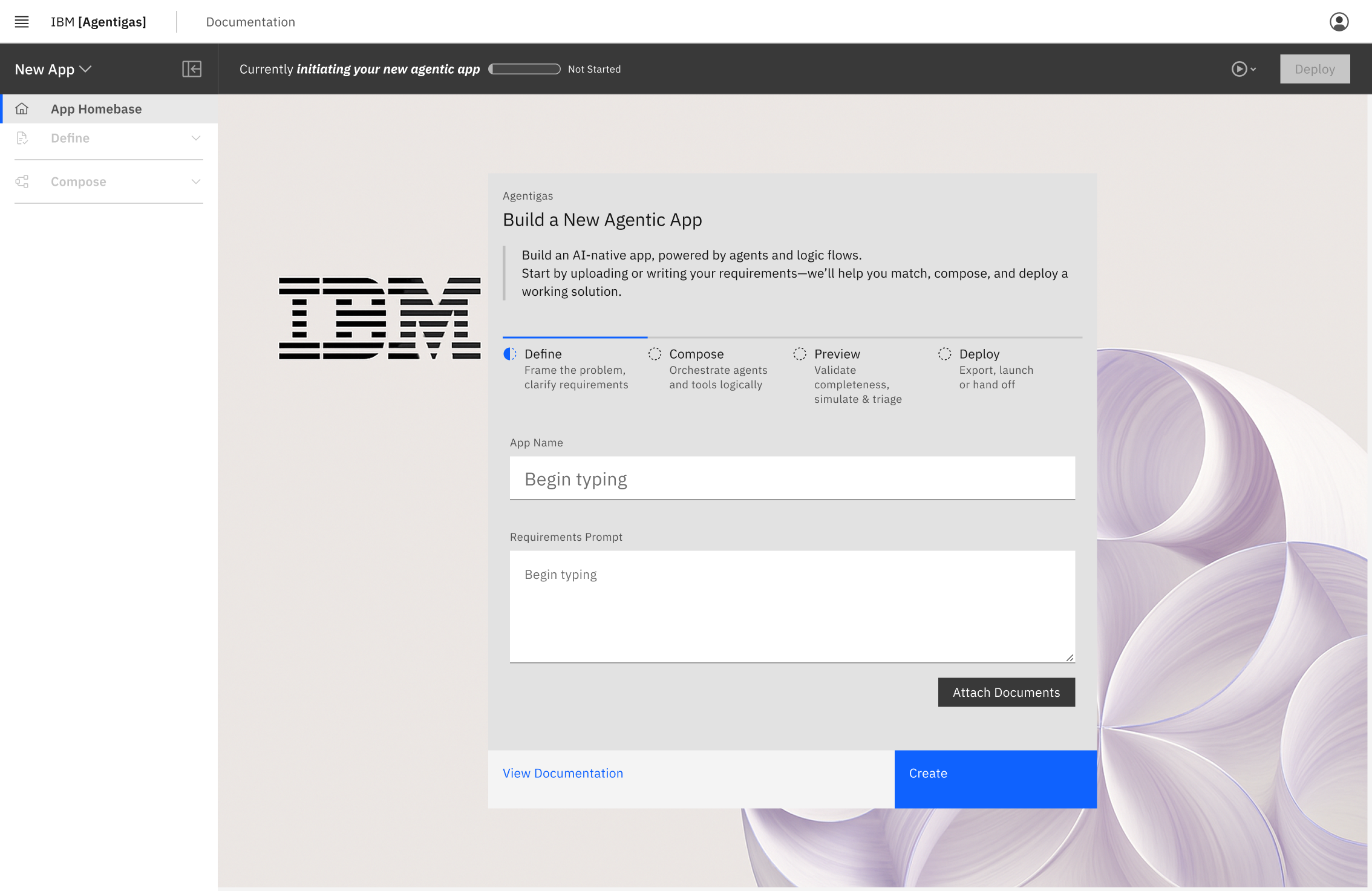
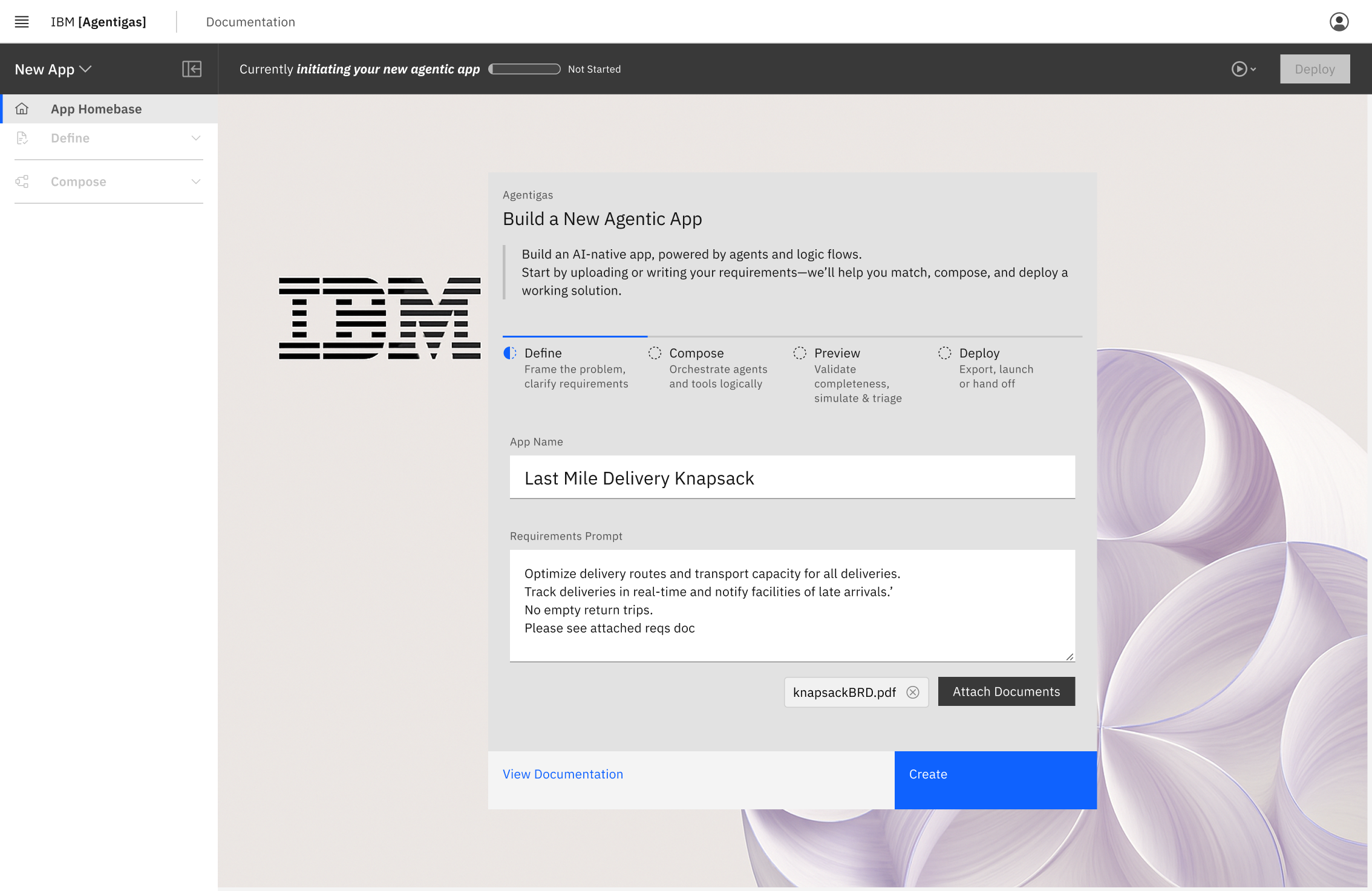
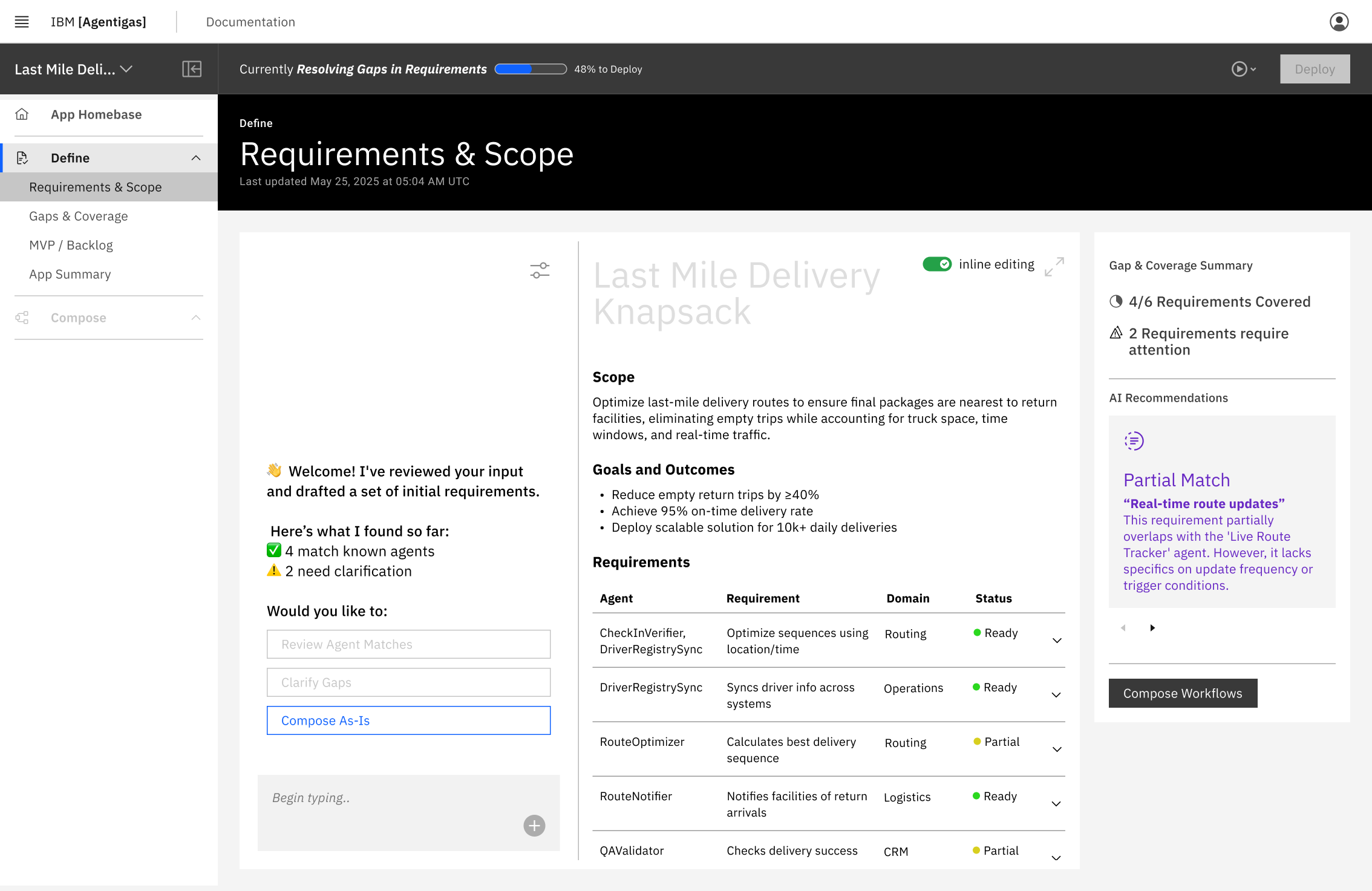
Senior UX/Product Design — Agentic Workflow Platform (Contract) · 2025 IBM Design Studio
Agentic AI IBM Design System Developer Workflows WCAG 2.x

Designed a visual + conversational surface for composing, inspecting, and deploying multi-agent workflows with less cognitive overhead.

Learn more
view
Technology & Design Lead — Enterprise Platform Strategy (Saudi Arabia Relocation initiative) · 2024-2025 Globant - KSA
Design Systems Cross-Region Delivery Roadmapping Accessibility

Led modernization planning and delivery alignment across global stakeholders. Artifacts available on request due to client constraints.

view
UX/Product Architect — Enterprise Systems Modernization (Contract) · 2023 EATON
Enterprise UX BizOps Optimization Ordering Systems WCAG 2.x

Modernized complex enterprise workflows to improve clarity, reduce rework, and support scalable delivery. Artifacts available on request.

view
UX/Product Design Lead — Enterprise Innovation Systems (Contract) · 2022 PepsiCo
Internal Platforms UX Research & Testing Product Training UX Resource Library Accessibility

Improved internal tools supporting cross-functional workflows. Artifacts available on request due to client confidentiality.

view
UX/Product Design — Digital Booking & Operations Platforms · 2020-2021 Magellan Jets
E-Commerce Operational UX Design System WCAG 2.x

Reimagined booking and operations UX to reduce manual coordination and improve reliability under time pressure. Artifacts available on request.

view
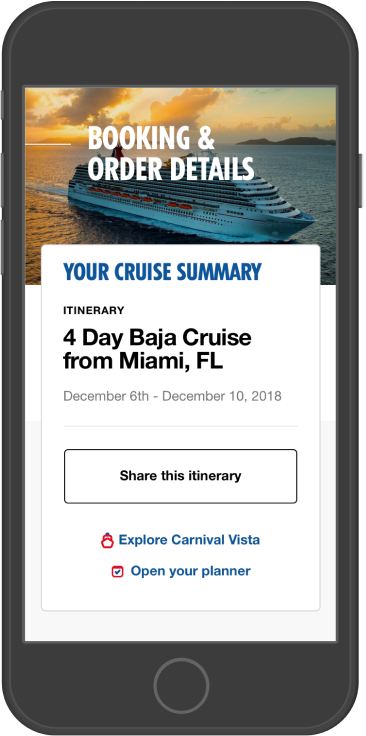
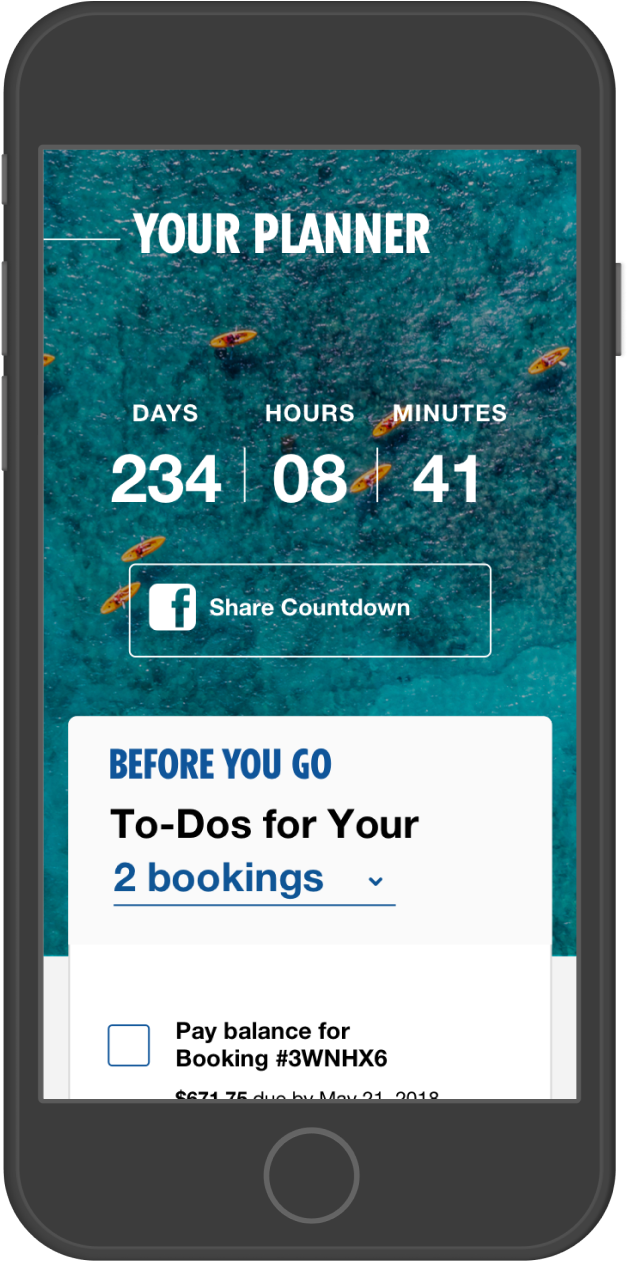
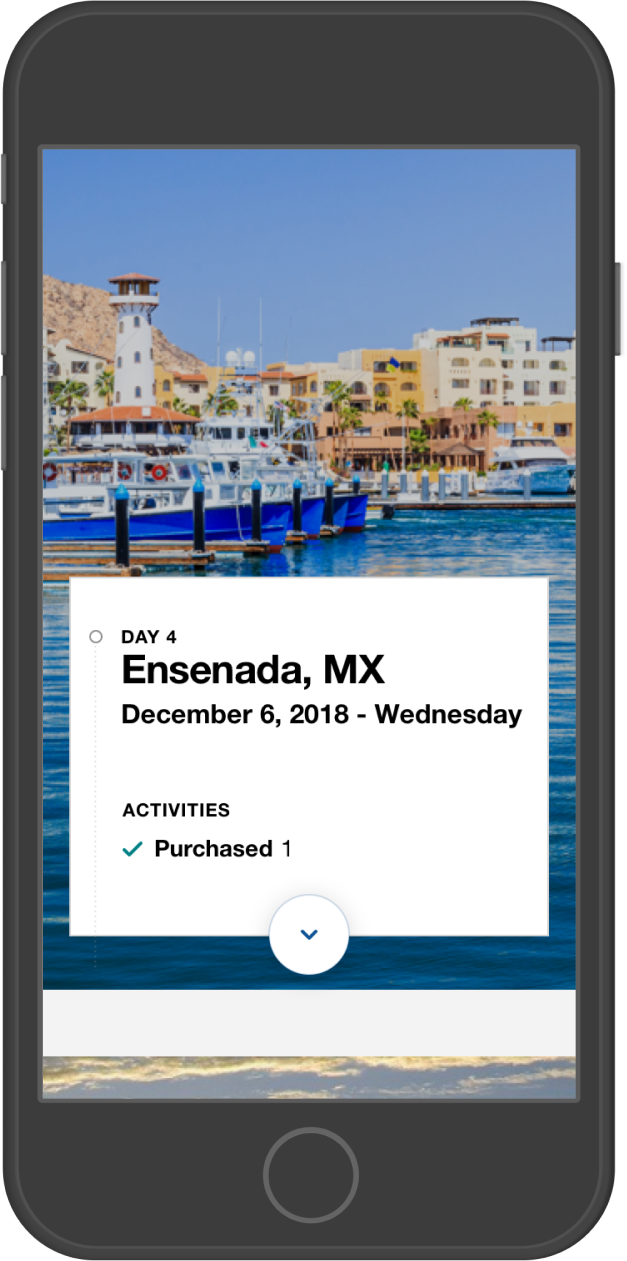
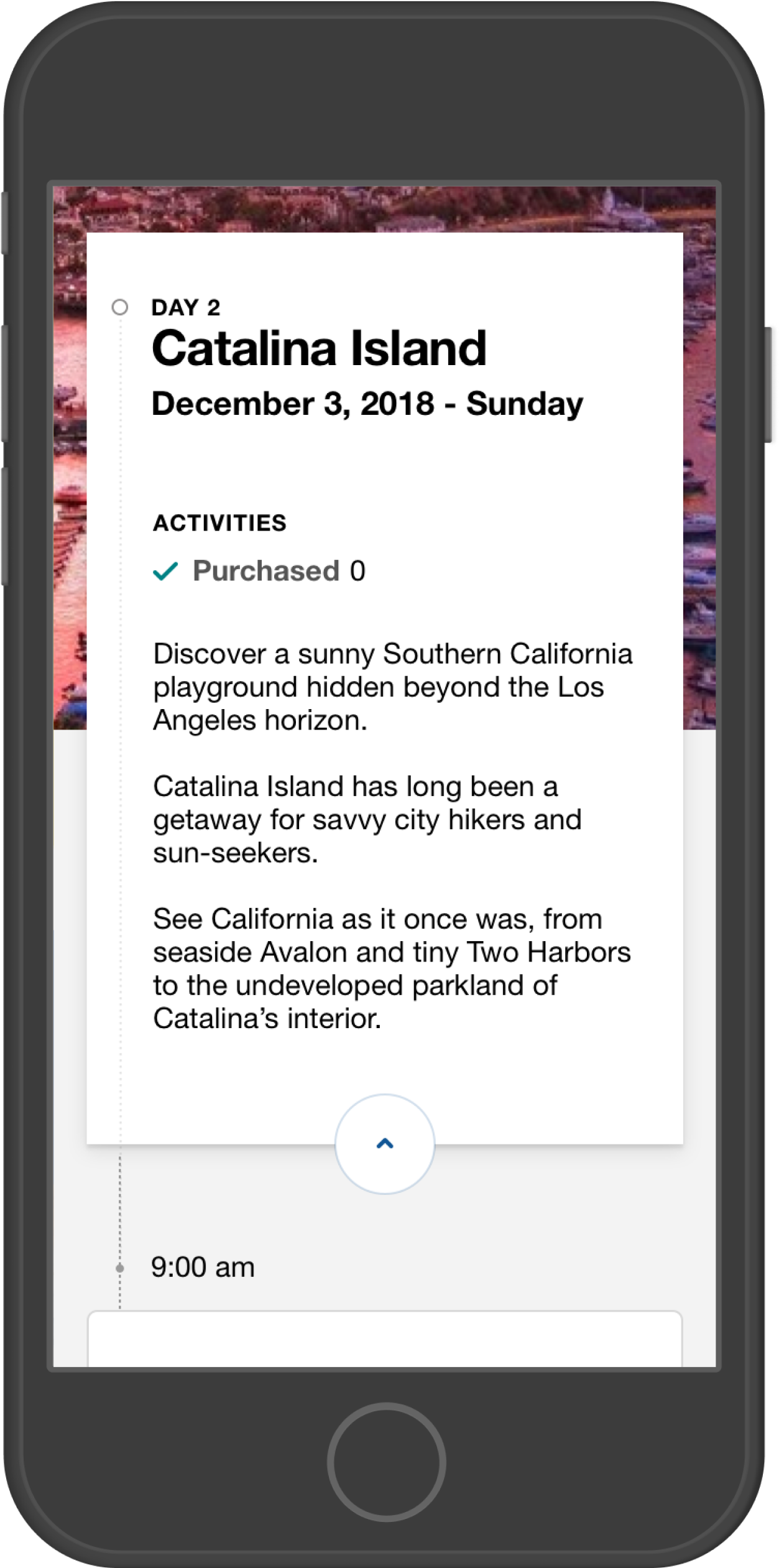
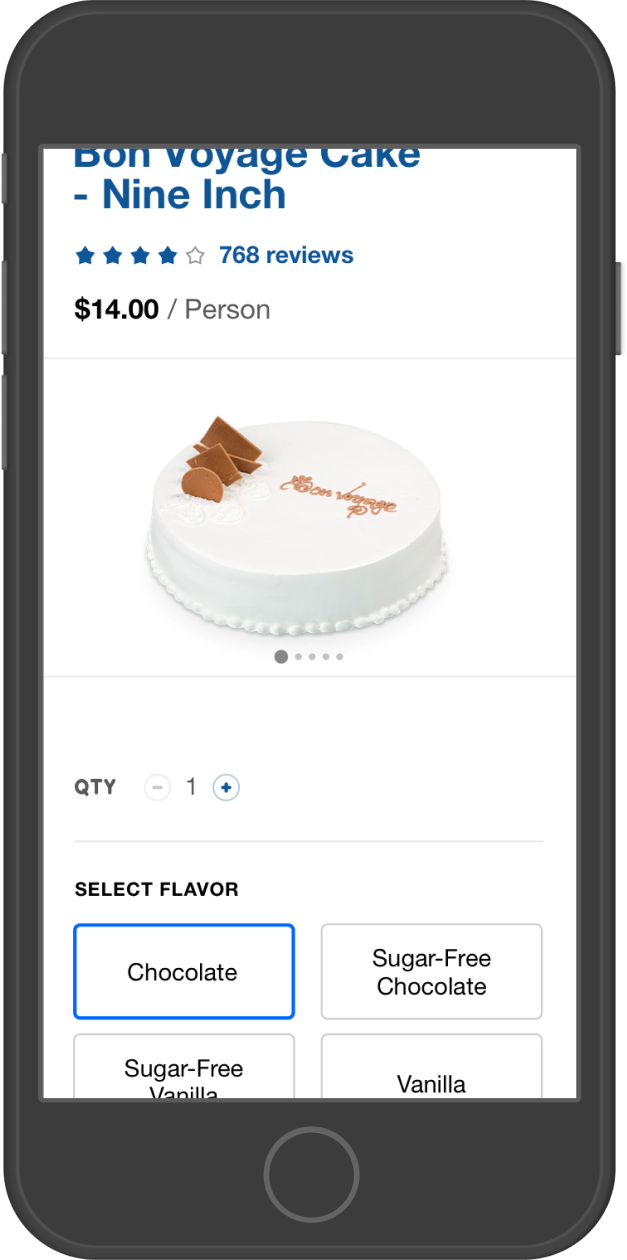
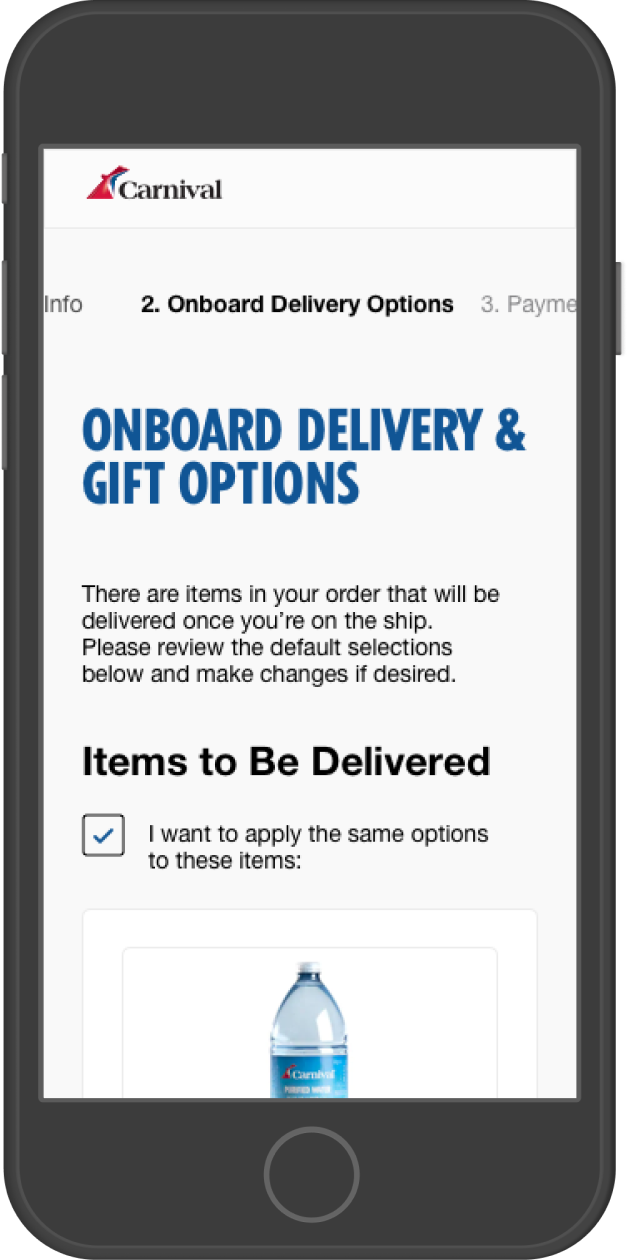
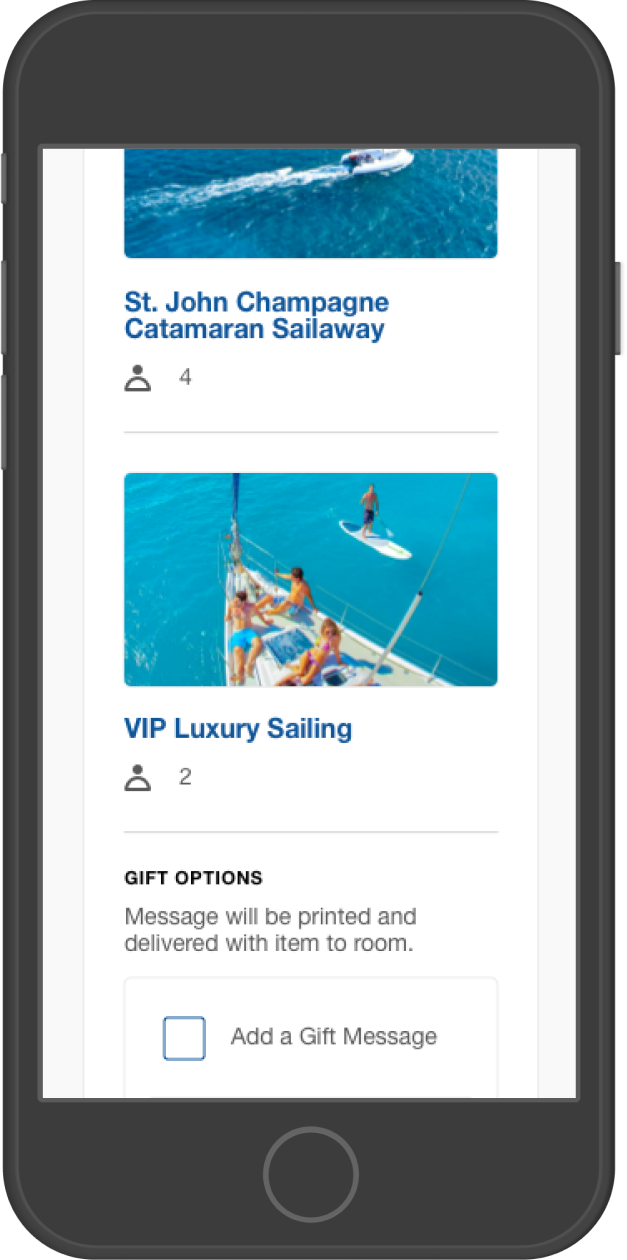
UX/Product Design Lead - E-Commerce & Guest Experience Platforms · 2016-2019 Carnival Cruise Line
E-Commerce Guest Journeys Design Systems Product Training WCAG 2.x

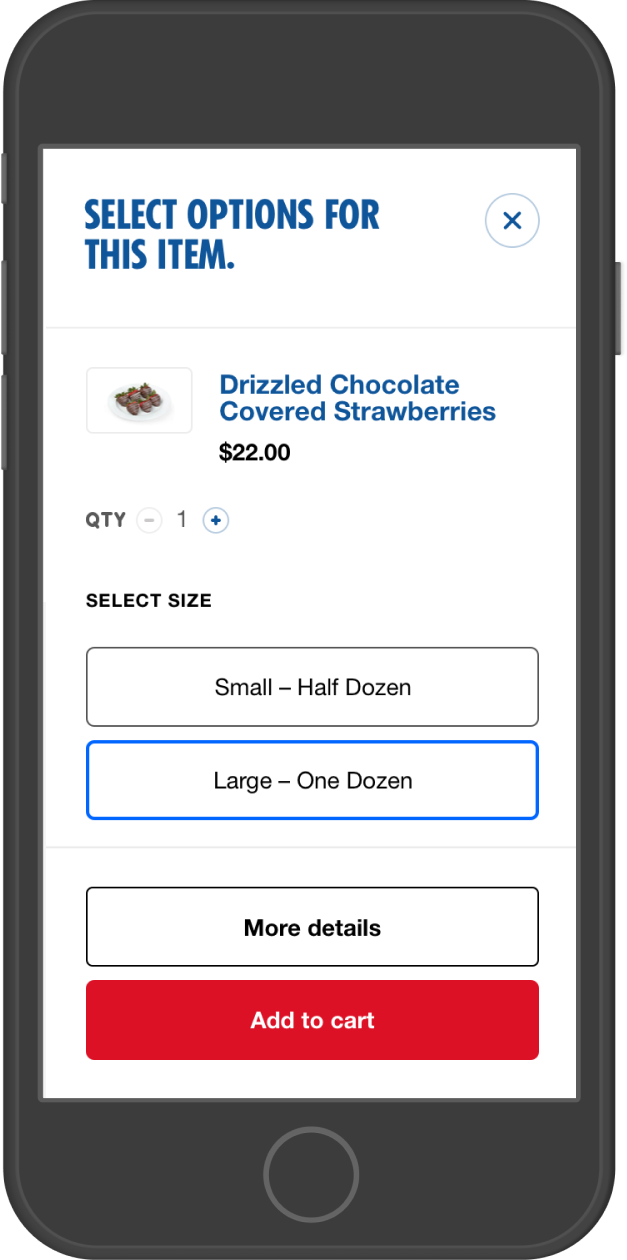
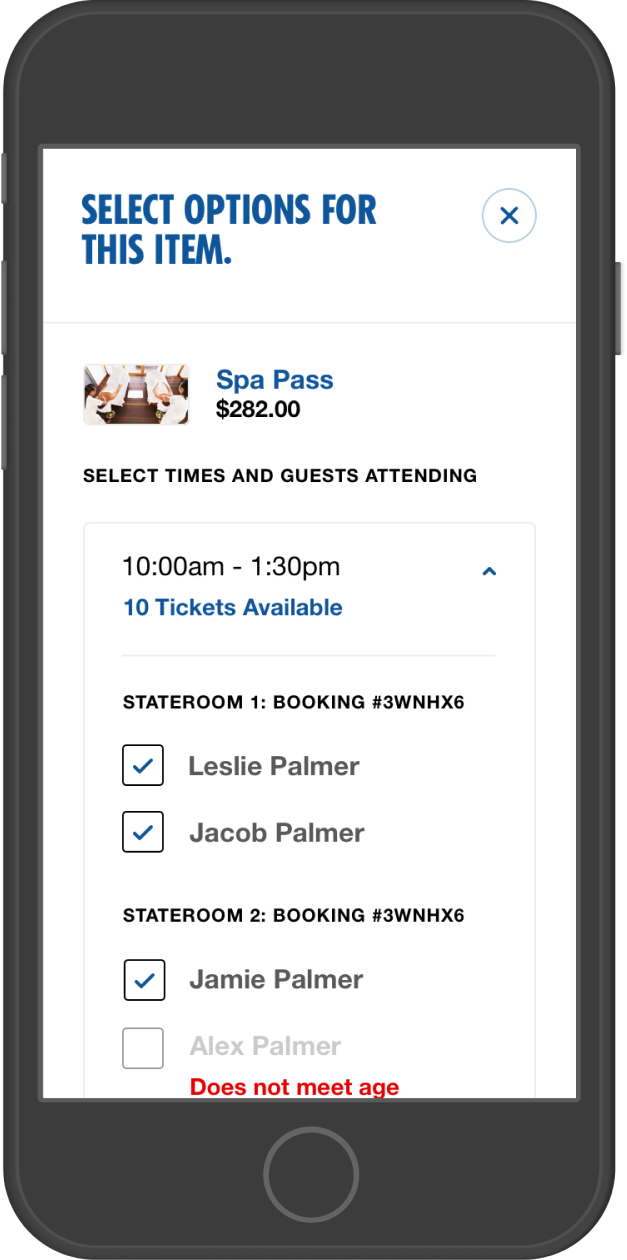
Led UX for booked-guest commerce and operational flows, balancing complex business rules with fast, confident customer experiences.

Learn more
view
Lead UX Instructor — Applied Product Design & Research (Adjunct) · 2017 & 2018 Ironhack
User Research Visual Design Portfolio Readiness WCAG 2.x

Taught applied visual design and UX research with a focus on execution, review sessions, and shipping portfolio-quality work.

view
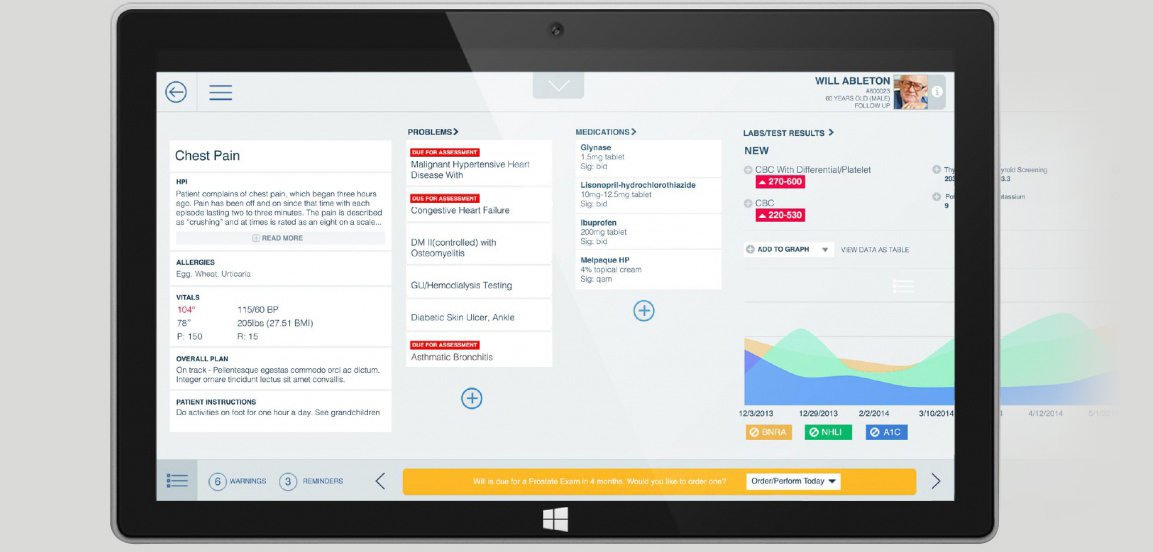
Senior UX & Product Designer — Healthcare Operations Systems · 2013-2016 ChenMed
Healthcare UX BizOps Workflows & Automation Product Training Component Library

Designed internal tools that streamlined operational workflows and reduced documentation overhead for care teams.


Other Design Clients:
OfferUp, TimberTech, Hilton, Hotel Indigo, Holiday Inn, Magellan Jets, AVEDA, Planet Beach, Coors Light, Cordina Mar-go-ritas, Blue Runner Foods, Crime Stoppers, PBS Network, & recording artists G-Eazy, Mannie Fresh, and Mos Def